From Turin to Milan: An Italian Foundation in Fashion
As a self-described lover of all things beautiful, Rebecca Palladin grew up in the privileged aesthetic crossroads
between the cosmopolitan elegance of Turin, the breathtaking beauty of the Alps and the coastal splendor of Liguria.
Discovering Fashion Through Modeling and Education
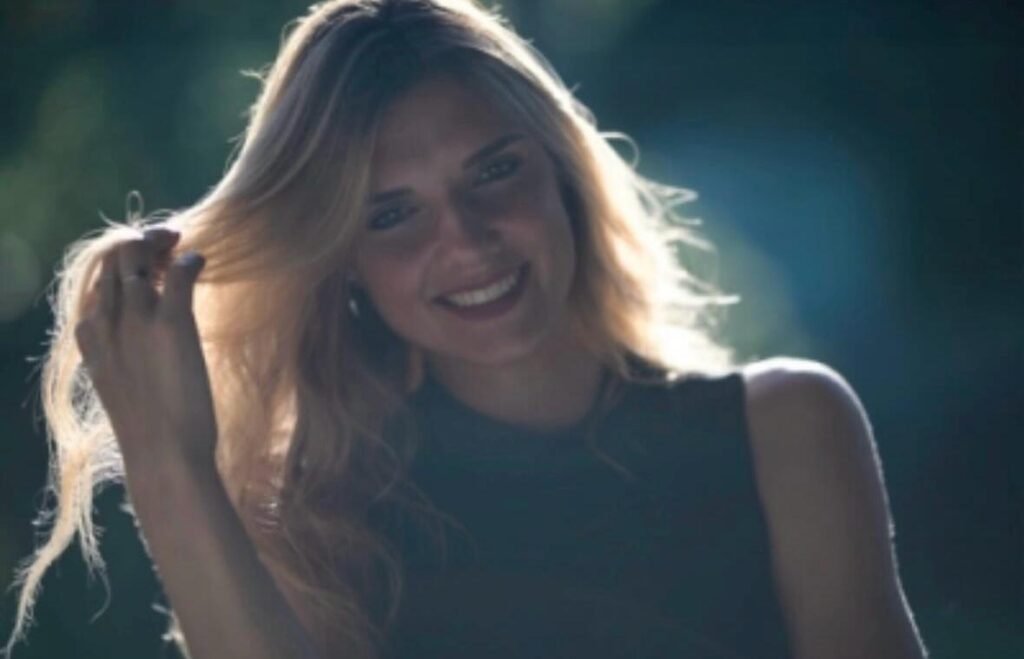
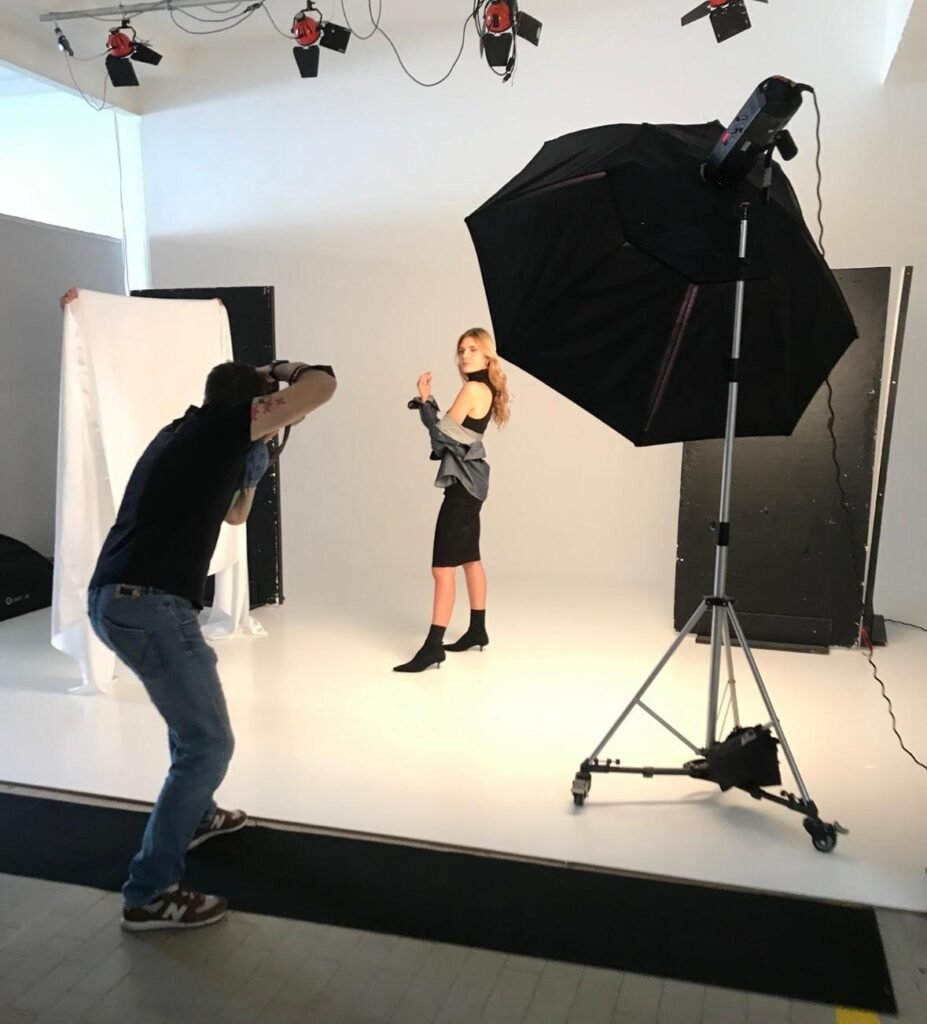
Discovered at age 16 by a local boutique owner who sent her to a modeling agency, Rebecca studied in Milan for a hybrid degree in Marketing and Communication for the Creative Industries. Following graduation, she moved to New York City, where she spent a year working in an Italian showroom on Fifth Avenue as a Junior Account Executive, supporting the wholesale development of various European houses ranging from Pinko, Roberto Cavalli, Twinset, to Furla and Liviana Conti.
Now back in Milan, Rebecca shares her experiences working in the fashion industry as both a model and an executive, her observations of cultural differences, the lessons she learned in both Manhattan and Milan, and how she discovered that patience is just as important as passion when chasing her dreams.
If you had to describe yourself in three words, what would they be?
Dreamer. Fashion-oriented… and ambitious. Oh, and no need to apologize for ambition! That’s the American part.
From Turin to Milan: An Italian Foundation in Fashion
What first sparked your interest in fashion and the creative industries?
I grew up outside Turin, in a very small town. Turin, of course, is a city where architecture, design, and landscape beauty are everywhere. My town is very small and is known for its historic castle. I could see it from my window, and it was amazing. It was a simple life, but with a beautiful view.
It’s a place where everyone knows each other. You go to school with the same people, and I lived there for about twenty years. It’s also very close to the Alps, so I grew up skiing and spending time in the mountains, surrounded by beautiful landscapes.
I was also lucky to spend a lot of time in Liguria, which is very close. It’s a region with a special position in Italy because it’s exposed to different cultures and landscapes.
When did you first realize that you were drawn to fashion, design, and the creative world?
My family is not connected to the fashion world at all, but I’ve always been fascinated by design, architecture, fashion, art — everything. For me, it’s all a blend.
I finished high school during COVID. At that time, I was thinking, “Okay, I want to explore the fashion world deeply.” Even in high school, my professors would say things like, “Nice jacket, you should work in fashion.” But where I grew up, there wasn’t much fashion around — no big brands, mostly local stores.
How did fashion first enter your life in a concrete way?
When I was around 16, I was shopping with my mom in a local boutique. The woman there told me that clothes fit me very well. I kept going back because we liked the clothes and she was very kind. My mom said, “I’m so happy, she always suggests things for you,” and she encouraged us to go to an agency in Turin for a casting.
So I went with my mother, did the casting, and I signed with the agency. Turin isn’t Milan, of course. Every city has some fashion, but Turin is more connected to cinema and film. Still, I started working, and after about a year I joined another agency in Turin.
How did fashion first enter your life in a concrete way?
When I was around 16, I was shopping with my mom in a local boutique. The woman there told me that clothes fit me very well. I kept going back because we liked the clothes and she was very kind. My mom said, “I’m so happy, she always suggests things for you,” and she encouraged us to go to an agency in Turin for a casting.
So I went with my mother, did the casting, and I signed with the agency. Turin isn’t Milan, of course. Every city has some fashion, but Turin is more connected to cinema and film. Still, I started working, and after about a year I joined another agency in Turin.
Why did you choose Milan, and how did your experience there shape you?
Milan was my dream city. I wanted to study there because it’s a city of fashion and design — it has it all. I was lucky to enter university the exact year a new course launched. It was a blend of fashion and design, but focused on marketing, communication, and business. We studied marketing, budgeting, art history, and experienced fashion weeks and design weeks.
While studying in Milan, I continued working as a model occasionally. My agencies would sometimes ask me to travel for work, and I was always trying to balance studies and work.
At university, I met a close friend who was modeling for Next. She was doing major shows—Dolce & Gabbana, Giorgio Armani and many fashion weeks—and she really inspired me. I also started working in events, especially during design week and fashion week, helping coordinate guests, often international guests. I speak English, French and a bit of Spanish, which helped.
I went to a linguistic high school near my hometown, close to the castle. It was the best choice for me because I love languages. French especially –I loved it. When I later moved to New York, I lost some of it, but it’s still there. I just need to practice more.
First Encounters with New York and an International Perspective
What brought you to New York for the first time?
I have close family friends in the U.S., who live around the Palm Beach area, and growing up knowing they were there made America feel close, even when I was dreaming about it from far away…Even though I’m Italian, when I landed in America for the first time, I felt something familiar.
When I moved to Milan, I was studying but also working because I wanted to see companies from the inside. I didn’t have any connections, so I knew I had to create my own opportunities.
During my second year of university, in the summer, I went to New York for the first time. I stayed with family friends, so I was lucky to have a place to stay, and I ended up staying all summer long.
I fell deeply in love with the city. I didn’t know anyone there, and I went alone. My main goal was to improve my English. I remember meeting a girl who was studying acting; she spoke perfect English, very clear, very American. I wanted to learn from her, so I spent a lot of time speaking with her and her friends.
Working in Fashion on Fifth Avenue
How did you wind up working in a fashion showroom in New York?
While I was in New York, I met incredible people within the fashion world. One of my closest friends was studying fashion design there, and I was spending time with her while she was creating clothes.
That period of my life was confusing. I was 21, coming out of COVID, and navigating a time of change and transition. I wanted to experience something new. I was surrounded by people building their lives in New York, and as a dreamer and an ambitious person, I felt that something was missing.
One day, I was invited to an event among several fashion showrooms, and one of them, showcasing Italian fashion, immediately caught my attention. I gathered my courage, went in and introduced myself, shared my aspirations, and made a strong impression. That moment led me to meeting my mentor, who went on to guide me through my first steps in the industry. It all felt genuine and natural and I realized that this is exactly what I wanted to do.
What did your experience on Fifth Avenue teach you about the fashion industry?
When I was younger, I was extremely shy. Very shy. Moving to Milan changed me a lot. I found people who were more like me. When you grow up in a small town, you don’t really choose the people around you, and it’s not a metropolis. In Milan, I finally felt like I was in the right place.
In New York, even though I had very little –just a small room, no real home –I was incredibly happy. Everything started to unfold naturally. Working in a showroom allowed me to understand the fashion industry from a wholesale perspective. You learn about seasonality, all the steps before and after a collection launches. It’s very business-oriented, but extremely important.
In New York, buyers come from everywhere — Florida, California, Texas, Colorado, Canada — so you really need to understand different climates, lifestyles, and how people dress in each place. Palm Beach, for example, prefers pastel tones like white, pink, and baby blue: light, chic and comfortable. The Florida market is fond of leopard print and not afraid of wearing sparkling clothes on occasion. New York works perfectly with black and clean lines, very sophisticated. California is more avant-garde, Texas stands out for its confidence and love for bold, over-the-top designs and they really appreciate Roberto Cavalli.
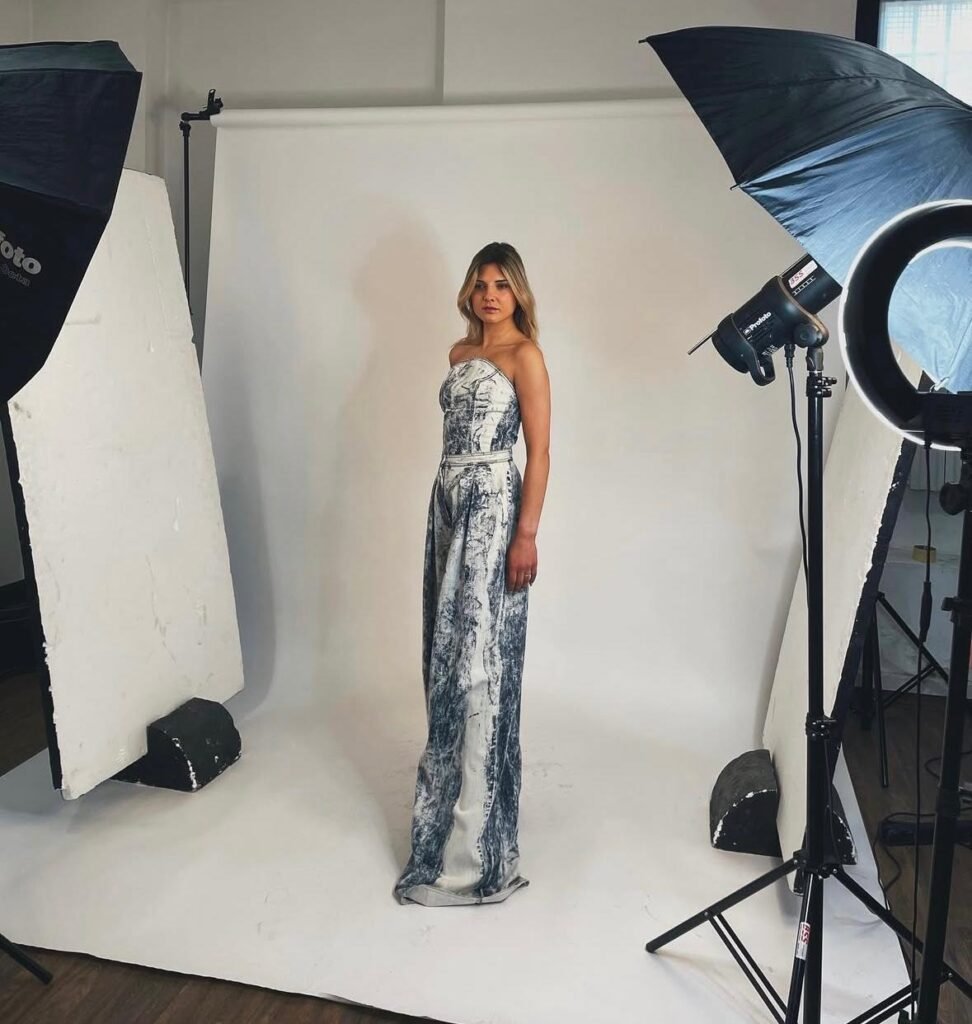
During this time, we worked with many European brands—some very well known, others more niche—ranging from knitwear and cashmere to French ready-to-wear lines, as well as bags and jewelry. I mainly worked in the women’s market, supporting sales and, at times, modeling the collections. This hands-on experience helped me understand how each market expresses identity through style, color, and attitude.
Modeling Behind the Scenes: Reality, Challenges, and Growth
How did modelling the clothes themselves changed the way you understood fashion?
Trying on the clothes helped me understand color, fit, and how garments transform you. Clothes have the power to transport you—one moment you’re in snowy New York, the next you’re dreaming of a tropical place.
What’s the best modeling experience you’ve ever had, and what made it stand out for you?
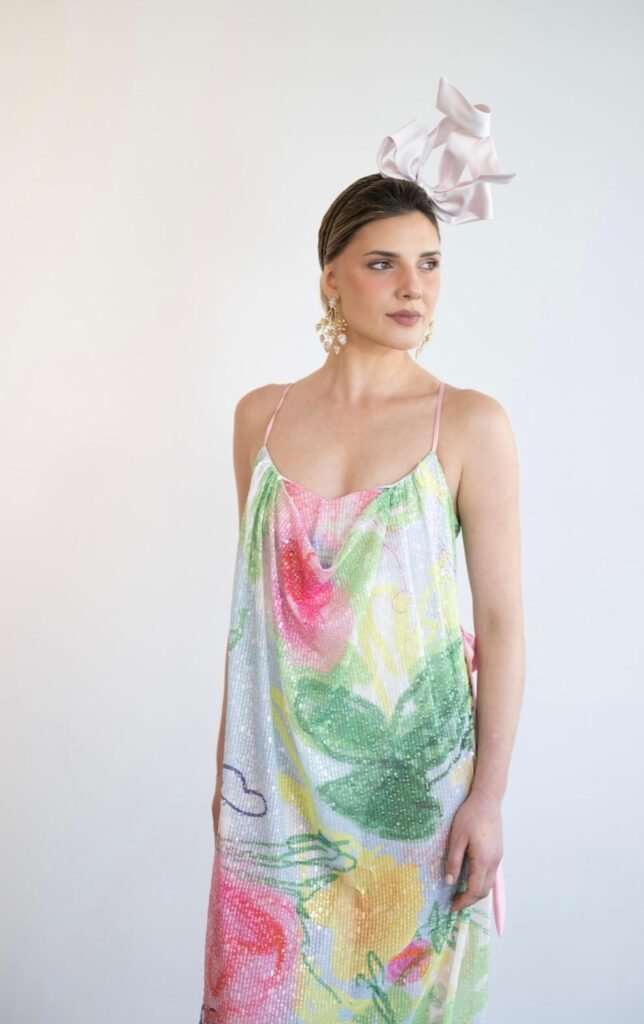
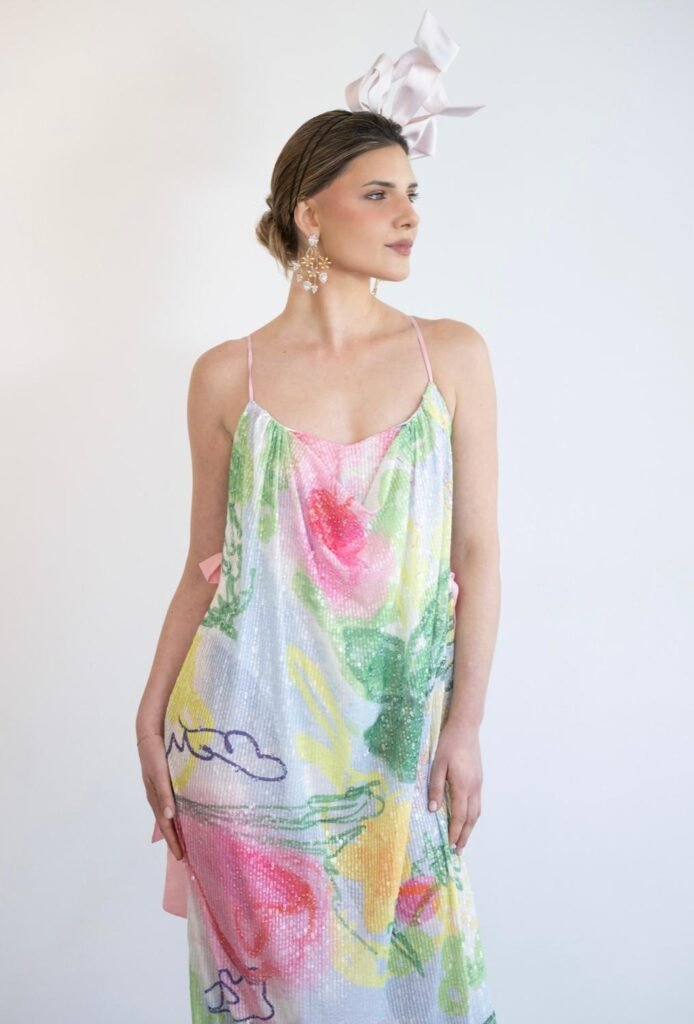
One of my most memorable modeling experiences was taking part in the fashion show for Les Filles d’Eva. Supporting the talented designer Matteo, working with such a passionate team, and being in such a beautiful location with so many people made it a truly special experience. The atmosphere was magical, and I will always treasure the memories of that moment.
What’s something about the modeling world that really surprised you once you were actually working in it, something outsiders might never guess?
What surprised me most once I started working was how often you’re on your own. Modeling requires a lot of independence. You travel alone, adapt quickly, and learn to be very self-driven from the start. It takes discipline and consistency, but that independence has helped me grow both personally and professionally, making the experience incredibly rewarding.
How did working in New York change the way you understood fashion, beyond just the pace and competition?
In America, many of these brands aren’t well known, so you have to explain them, tell their story, and show their value. I enjoyed that. When you truly like something, your enthusiasm shows, and people feel it.
My boss often asked me to model the collections and that helped me understand how clothes fit different bodies, how colors influence presence, and how fashion can evoke emotion and imagination. Clothes have the power to transport you. You can be in snowy New York and wear something that makes you dream of summer or tropical places. That’s magic.
You worked on Fifth Avenue supporting European fashion brands entering the U.S. market. What were the biggest challenges, the most valuable lessons, and your favorite parts of that experience?
One of the biggest challenges was understanding how different American customers are from European ones. In the U.S., people express themselves very freely through clothing. It’s about showing a sense of belonging, understanding their needs, and celebrating individuality.
For example, I worked with clients who had very specific cultural or religious requirements. Understanding that and adapting collections to different lifestyles was extremely interesting.
Living outside of a bubble changes you. When you grow up in one place, you can have a very limited perspective. Seeing how different people live, dress, and choose helped me grow, both professionally and personally.
One of the most valuable lessons was learning how to communicate a product—to tell its story in a way that connects with people. Fashion isn’t just about clothes; it’s about culture, identity, and emotion.
What’s been one of the most challenging aspects of modeling that people might not realize is part of the job?
One of the most challenging aspects of modelling is how unpredictable the work can be. There are periods when jobs slow down, and during those times you have to stay motivated, adapt quickly, and keep evolving. It takes discipline and consistency, daily effort, taking care of yourself, and being mentally and physically ready. These challenges push you to grow, discover new sides of yourself, and stay creative, making the profession truly rewarding.
Italy and the United States: Two Fashion Cultures
Did you notice a difference between modeling in Italy and modeling in the United States? If so, what stood out to you the most?
Yes, there is a noticeable difference. In Italy, the atmosphere feels very artistic and rooted in tradition, with a focus on creativity and heritage. In the United States, the industry is faster-paced and more commercially driven, emphasizing versatility and marketability. Both experiences are exciting in their own way, and each has taught me valuable lessons as a model.
Fashion as Culture, Identity, and Direction
What does fashion mean to you today, beyond aesthetics?
Fashion, for me, is not just about beauty. It’s about work, discipline, storytelling, and understanding people. It’s about connecting different worlds: Italy and America, past and present, creativity and business. Everything I’ve done so far feels connected, like pieces of a larger puzzle. I don’t know exactly where I’ll be next, but I know I want to continue building something meaningful, learning, and growing
If you had a magic wand and could create your ultimate dream modeling experience, what would it look like?
My dream modeling experience would be shooting a campaign in a breathtaking, rare location somewhere in the world, for a brand with a meaningful purpose and strong values. Working with a dream team.
What do you miss the most about Italy when you are not there?
What I miss most about Italy when I’m away is the “dolce far niente”, the slower rhythm of life. In New York, life is very fast-paced. Here in Italy, even if people work until six, they still go out for dinner, take time for lunch. The mornings might be similar, but the overall pace is much slower.
The weather, too. New York winters are very cold — really freezing — but Turin can be freezing as well. What I love most about New York weather is late August, September, and October. Fall there is beautiful.
Food, of course. I love Italian food, especially the freshness of products—fruit, vegetables, bread. But in New York I also love the healthy options: bowls, smoothies, fresh concepts. It’s a different kind of balance.
What do you miss the most about New York City when you are not there?
What I miss most about New York is the structure of my life there. The routine. Going to the gym in the morning, having a clear schedule. Here, I’m more relaxed, slower. Even if I do many things, I don’t always feel that same discipline.
In New York, I loved having time off but still being stimulated — going to museums, stores, new exhibitions. Every month there’s something new to discover. It’s a city that never feels finished.
I also love the food culture — different cuisines, beautifully presented, with unique atmospheres. Restaurants, bars, rooftops. Even simple places feel curated.
And the people. I love walking and observing people. In New York, people are often doing what they love. They’re building their dreams. It’s very work-oriented, but also very inspiring.
If someone were coming to Italy, what would you suggest that they see or do?
If someone comes to Italy, I think it depends on the season. Italy is very seasonal.
In Milan, I suggest walking through neighborhoods like Brera, not just shopping, but experiencing the atmosphere, the people, the Milanese way of life.
Lake Como is stunning; Americans have good taste when they visit Italy.
In Rome, just walking through the streets and visiting museums is unforgettable. Seeing Rome for the first time feels unreal.
I also recommend doing what locals do: experiencing real Italian life. In summer, places like Sardinia show the true Italian summer spirit.
What would you advise someone coming to New York City for the first time to do?
In New York, I would suggest exploring different neighborhoods, especially Chelsea and SoHo, for art galleries and unique fashion stores. Many brands present their best work in New York.
Of course, Central Park is essential. I grew up surrounded by nature, so greenery is very important to me. Central Park is magical in every season: autumn colors, summer picnics, winter skating.
Another thing I would recommend is going to the rooftops. Rooftop bars in New York are truly special. You see the city from above, and the energy is unique.
Personal Style, Inspiration, and Creative References
Do you have a colour and/or a piece of clothing to which you feel particularly connected?
I would say navy. I like black, and I wear black because it makes me feel confident, but navy feels more personal. Navy and blue in general.
A navy blazer with a white shirt and jeans is timeless. Navy is elegant, versatile; it works in summer and winter. It’s never wrong.
Visual details are extremely important to me. Colors, objects, spaces. My room, my clothes—everything affects how I feel. Clothes help me express how I feel that day, how I want to be seen.
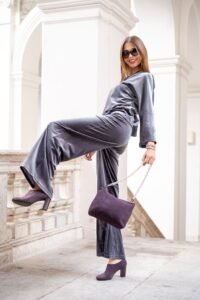
I love jumpsuits. If I had to choose one piece, it would be a jumpsuit–sporty but elegant. Or a blazer. Blazers are very “me.”
How would you describe your personal style?
My personal style is a combination of instinct and experience. Working in fashion helped me understand that not everything is for everyone. Colors, shapes, proportions — they matter.
I learned what works for my body. For example, I love boots –not too high, because I’m tall– but boots make me feel confident. My legs are long, and a comfortable heel makes me feel elegant and grounded.
How have your various travels and experiences in different cities changed your style?
New York changed my style a lot. I felt freer to wear things there. In my hometown, fashion wasn’t important. In Milan, people observe you constantly; it can feel judgmental. In New York, people are expressive but less critical.
I’m lucky because in my job I can wear what I want. My style at work is classic: blazers, shirts, trousers. Comfortable but professional; I don’t like being overly fancy. Balance is important.
Who are your three favorite fashion designers?
I love Yves Saint Laurent for his bold yet elegant vision. It is an elegant, classic brand, but also very bold. When you see his work, you immediately recognize it. For me, he was a genius, especially in how he blended fashion and design, not only in the structure of the clothes but also in the way the spaces in the stores were designed. Today, Anthony Vaccarello continues that legacy, blending fashion and spaces with the same genius eye for shape and presence.
The second designer I love is Ralph Lauren. He is an American, and I feel deeply connected to his world. Visiting the Madison Avenue store in New York is always inspiring: I love everything, from the evening pieces to the everyday looks and the lifestyle he creates. It really feels like me.
The third one is harder to choose because my answer changes frequently. I admire Valentino for its elegance and Chanel for its philosophy, quality, and the empire it has built. Today, I’m really drawn to Brunello Cucinelli; for me, it’s timeless and sophisticated. I love the simple but elegant and androgynous style, the blazers, and the navy and cream tones—it all feels very true to who I am.
Who are your favorite style icons, past or present?
I love Brigitte Bardot.
I also love Lady Diana, very timeless. I feel more connected to icons from the past than to current ones.
Another one is Cindy Crawford. She’s so simple and beautiful. Once I met a modeling agent who knew her, and he told me she succeeded because she really knew what she wanted. She seems very focused and disciplined.
I also like Christie Brinkley. I saw her in person once –she’s in her seventies and still beautiful. That classic American, California beauty.
Who are the architects and photographers who influence the way you see beauty?
In architecture, I love Pierre Koenig, especially Case Study House #22. It’s also special to me because my favorite number is 22. The house is beautiful, simple, and strong. The famous photograph by Julius Shulman has become iconic and perfectly captures its essence.
In photography, I admire Arthur Elgort, Pamela Hanson, and Helmut Newton. I had the chance to see an exhibition by Arthur Elgort in New York, which I absolutely loved.
Who or what inspires you most right now?
Places, for sure — the cities I’ve lived in. Also, fashion history, design history, architecture. I love studying the past and seeing how it connects to today.
I’m very inspired by fashion from the 1980s and 1990s. I feel that those decades created something very strong and authentic. Personally, I prefer what was done back then.
In architecture, I love American modernism, especially the Case Study Houses. I would love to visit all of them one day. I also love the Eames, their furniture, their vision.
I deeply admire Italian and French designers and architects. Italians have design in their DNA. You see it everywhere, even in hotels or everyday spaces.
If you were going to a desert island, other than food and water, what three things would you bring?
I would bring my camera, because a desert island would be full of beautiful sunsets and colors. I love waking up early to see the sunrise.
I would bring a hat. I love hats! On an island, you need a big hat!
And I would bring one person, someone to share time with.
Are there women in your life who have deeply influenced or inspired you?
I feel very connected to my grandmothers. I met them when they were already older, but I see so much of myself in them. Listening to their stories, I realized they were deeply connected to fashion.
There’s also a special woman in America who feels like a grandmother to me. She’s 90 years old and built a beautiful dream house on her own. She always wanted to be an architect, and even last year, at 89, she decided to renovate her home cinema. She’s incredibly inspiring. She’s also connected to art — her father was a painter who worked for Walt Disney.
And, of course, my first boss, who taught me everything about both work and life.
If you could invite any three people — past, present, or future –to dinner, who would they be and why?
I would say my parents. Even though they’re not deeply connected to my professional world, they support me so much, even if they don’t fully understand what I do. When you work in fashion, it can be hard for those outside the industry to fully grasp what it really involves, but they are genuinely happy for me and my journey.
Fashion can seem easy or superficial from the outside, but it’s actually the opposite. Creating a collection, building a concept, developing a story that also needs to sell — it’s complex and fascinating. Everything is built on stories, references to the past, present, and future.
My parents recognize the big names –Gucci, Valentino –but for me, those names open entire worlds: contexts, histories, and connections that I can place within a much larger frame. That difference in perspective is what makes their support so meaningful and keeps me grounded while I explore this industry.
For the third guest, it would really depend on the moment. There are so many people in my life that I love, and I would choose based on the occasion.
Growth, Ambition, and Looking Ahead
How has your relationship with work, ambition, and creativity changed over time, and perhaps also through your experience in the United States?
I’m definitely more confident now. I know I can keep getting better, because it’s a journey. I’m growing up, literally, and I can see it in real time. Being alone, having to introduce myself to new people, has taught me that I don’t need to be shy or afraid.
Excellence isn’t about being the most perfect; it’s about growing my strengths and using them to make a meaningful impact. I want to contribute in my own way, especially through creative projects that feel meaningful and that help shape the future of this field.
Where do you see yourself in ten years? And if you had a magic wand, what would you do?
In ten years, I hope I will have experienced what I’m dreaming of now, but I also want to build something of my own.
I have many ideas, products, services, so many things in my mind. Maybe one day it will be the right moment to shape everything I’ve been doing over these years into something concrete.
I have this sense that one day I will write a book, though I’m not entirely sure why. I’ve never been someone to talk about myself openly, yet I treasure my journal—it’s a space where I can reflect and record my thoughts. I imagine creating something that captures experiences and memories. The idea surprises me, but perhaps it’s simply part of growing up and evolving.
If you could go back and meet a younger version of yourself, would she be surprised by where you are today? And what advice would you give her?
She would be very surprised. I always had dreams, but not a clear vision. Now I see that everything is possible.
What you do today is incredibly important for your future self. Every person you meet, every place you go, everything you do in the present moment matters.
I would tell her not to be too attached to perfection. Perfection doesn’t really exist; it’s just something in your mind. Planning is important, having goals and visions is important, but you shouldn’t try to control everything.
You need to leave space for what you don’t know yet. Leave room for magic and for things to happen in unexpected ways. That’s something life has taught me again and again.
You were very brave in setting forth on your own in another country at such a young age. Did you feel supported in this process, or did you feel alone while navigating that experience?
Sometimes I feel alone, yet I know I’m not. I don’t often ask for help, yet I’ve learned that many people support you even when you don’t ask. It’s like the universe supporting you in ways you don’t always see. This makes me feel very grateful.