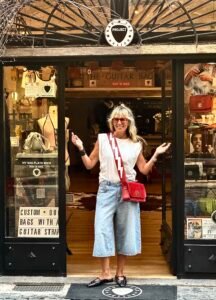
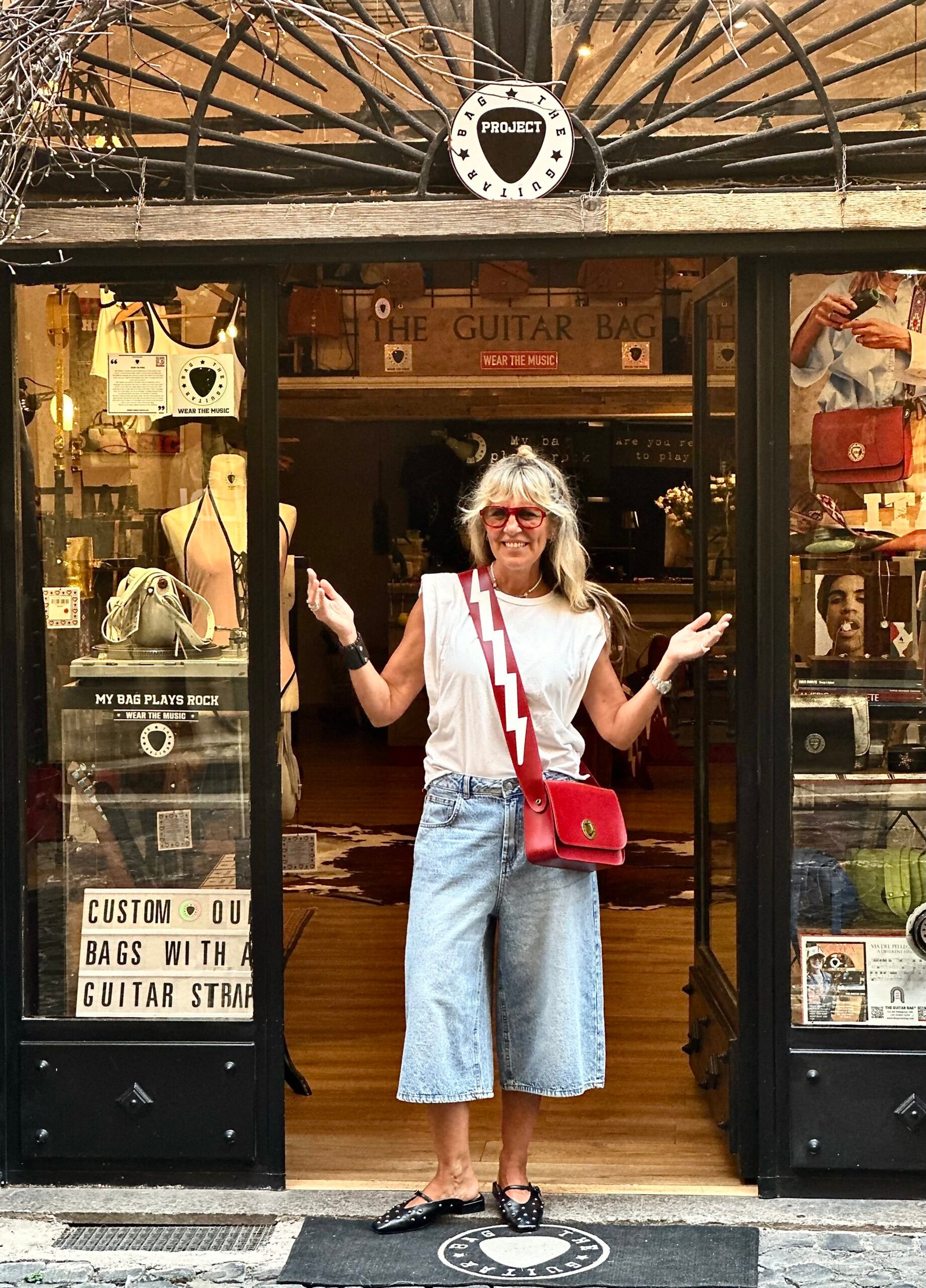

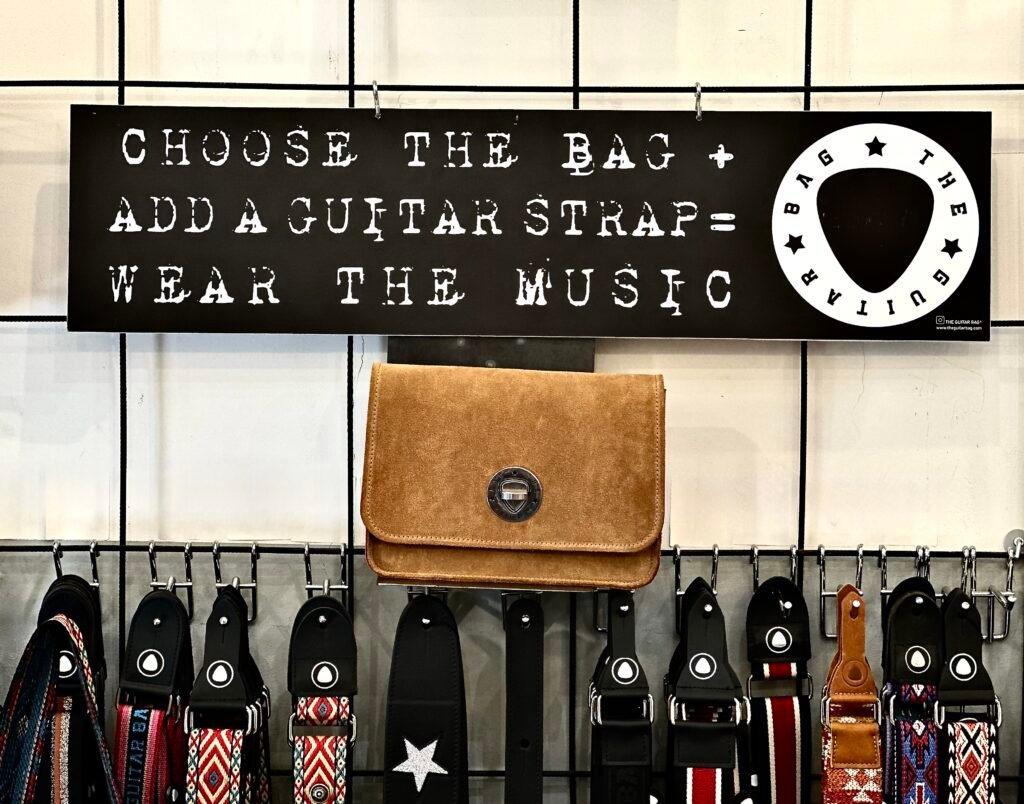
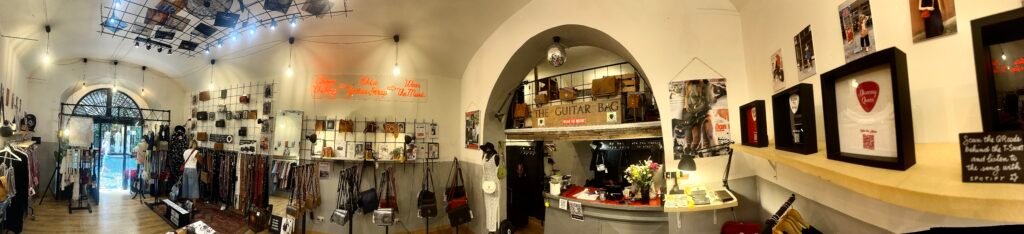
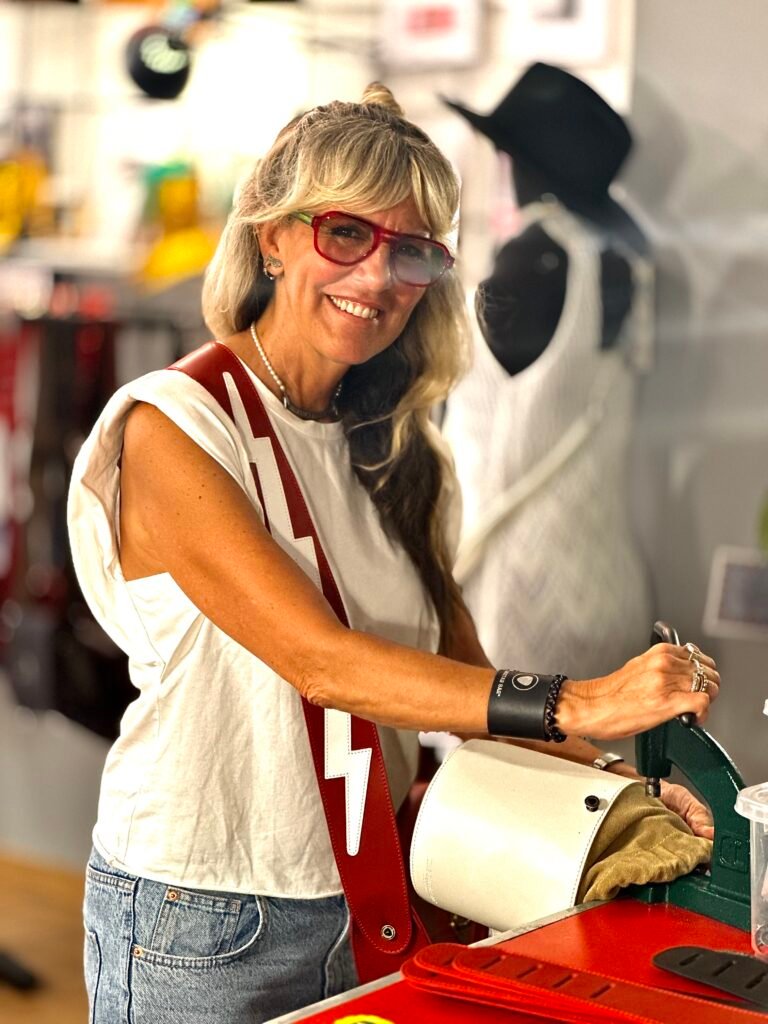
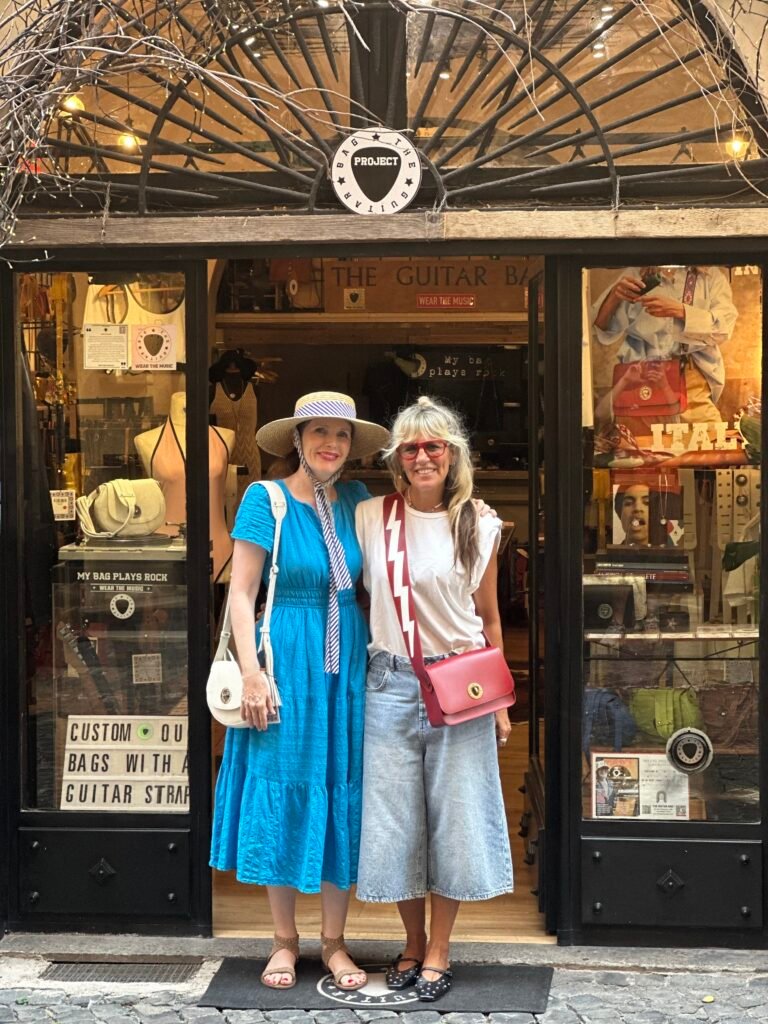
At first, I was a bit intimidated by “The Guitar Bag” store. Not because it appeared forbidding, but because I wouldn’t consider my own aesthetic as being particularly rock, and I wasn’t sure what I would find inside the store. However, as soon as I met its owner and founder Maria José Carral, I was immediately put at ease. She radiates warmth, acceptance and positivity, finding a way to embrace everyone’s style while adding a dash of rock star magic.
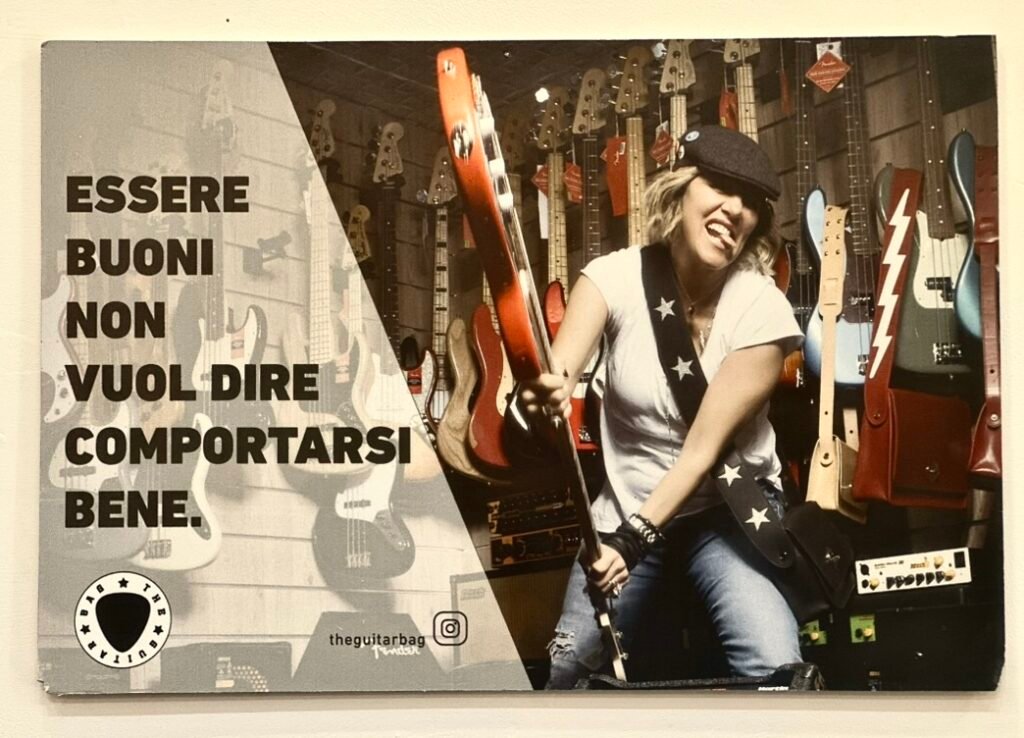
The more I got to know Maria José, the more I understood both her own personal appeal and the store’s appeal, which has been called “The coolest store in Rome”. The woman behind the brand combines the bold, playful nonconformist exterior of a rock star, with a sensitive and empathic sensibility. That combination is reflected in her commitment to others, from her former work as fund-raising ambassador at pediatric hospital Bambin Gesù to her involvement with a project that gives women who experience violence the opportunity to learn a skill and contribute to the making of her bags.
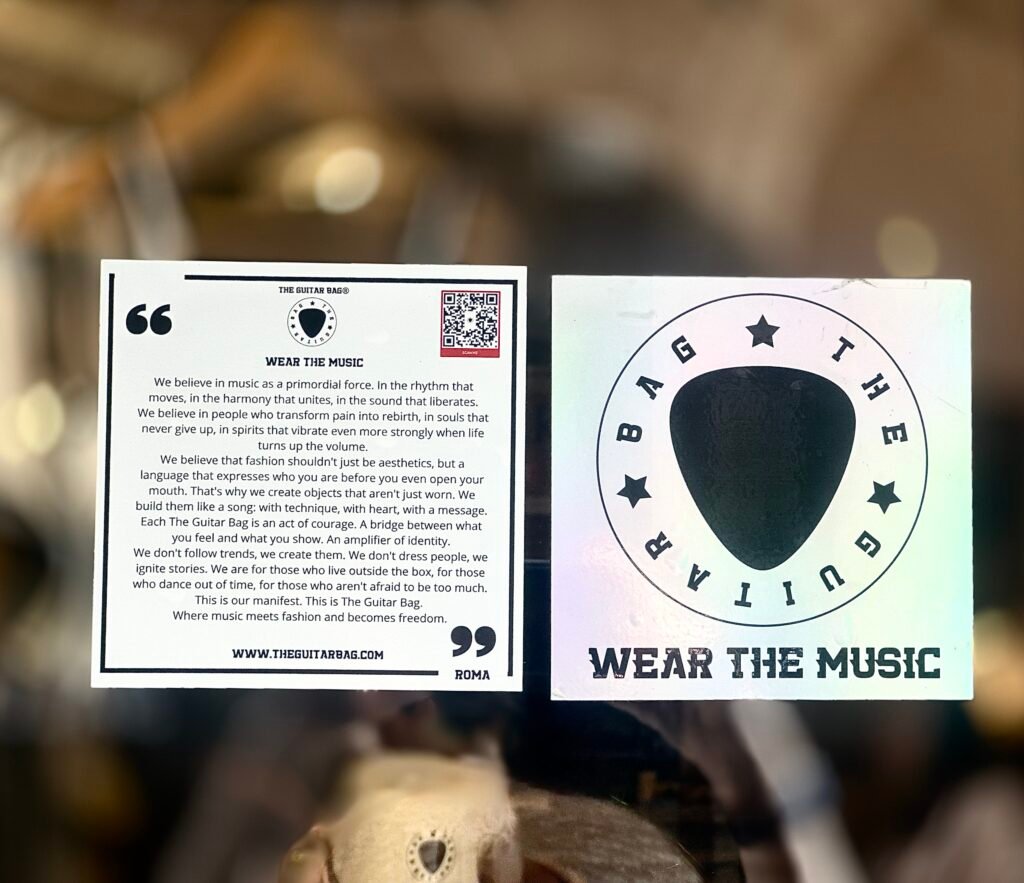
Throughout the store, I saw examples of her philosophy, from the manifesto on the front store window: “We believe that fashion shouldn’t just be aesthetics, but a language that expresses who you are before you even open your mouth,” to her own stated knack for “making the maximum of the minimum.”
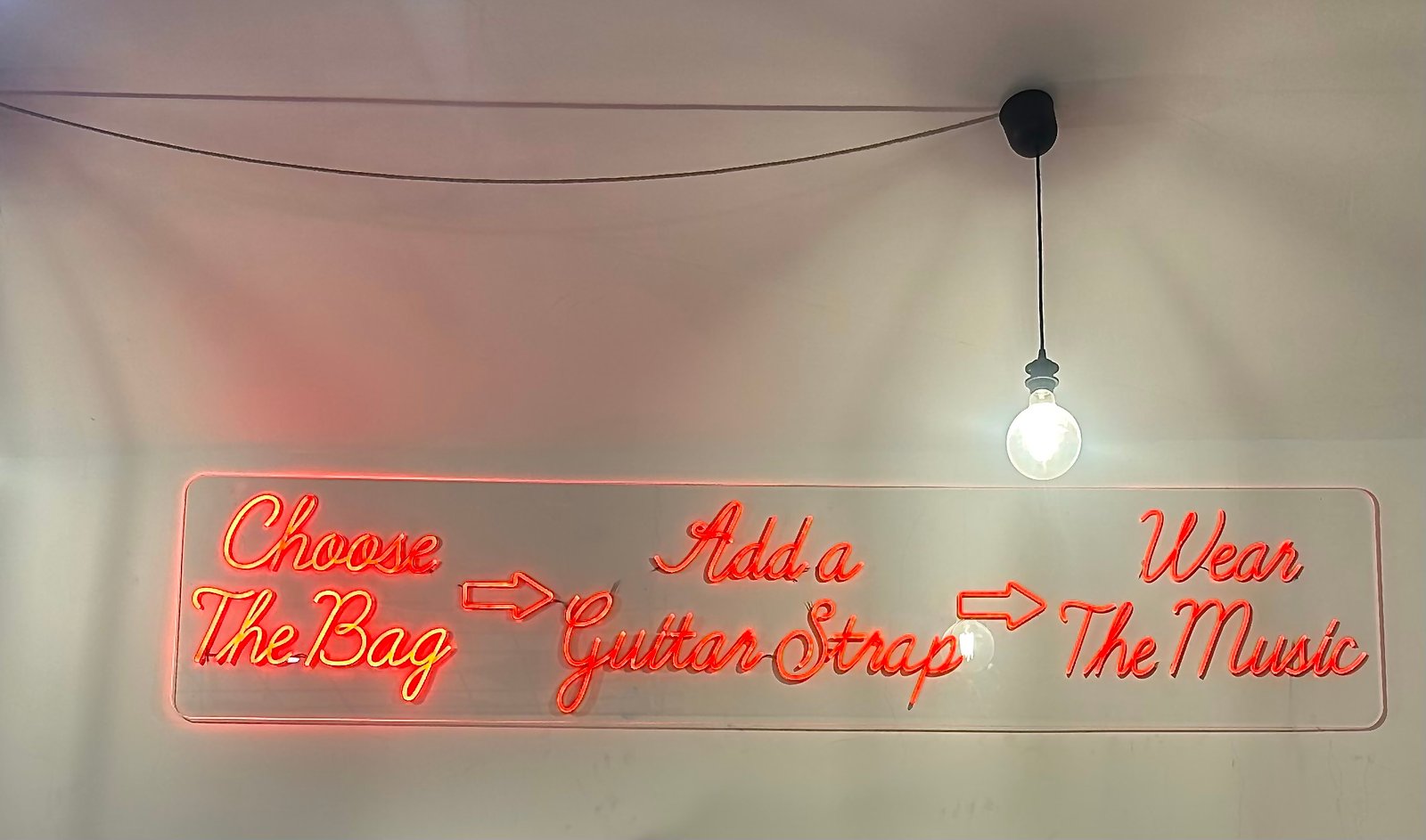
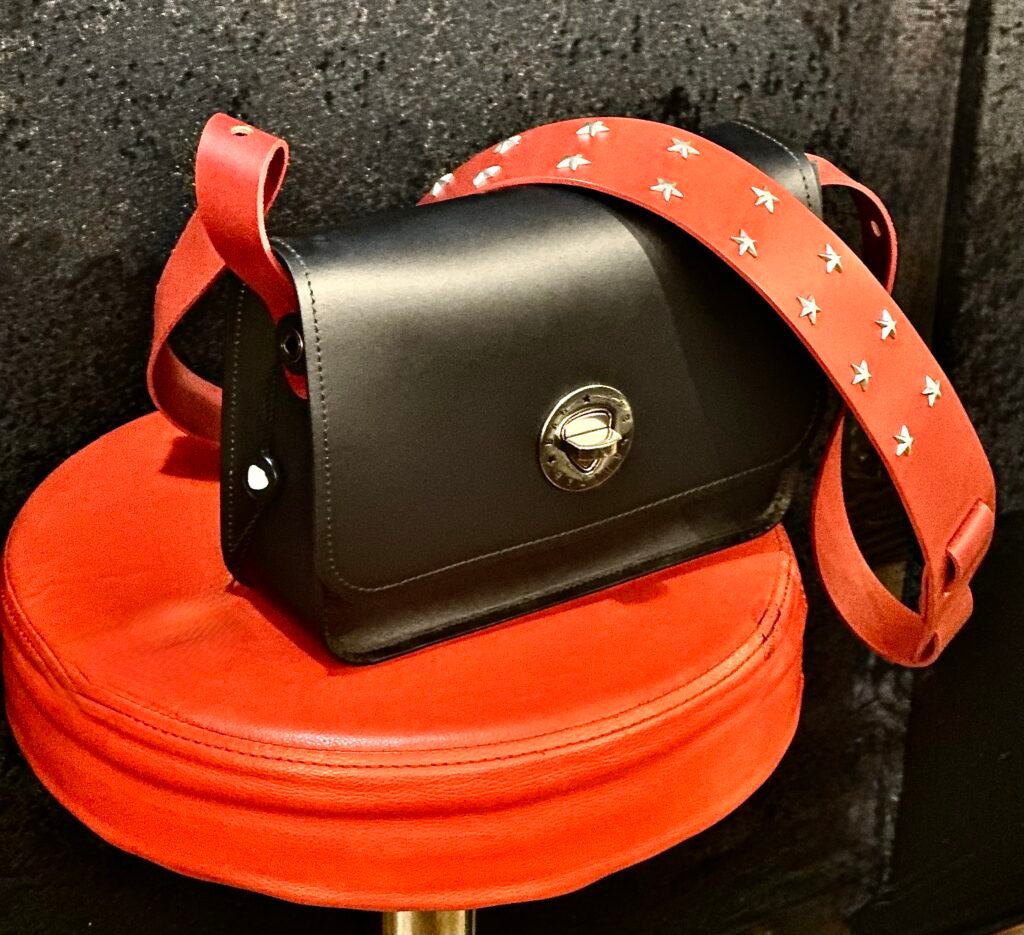
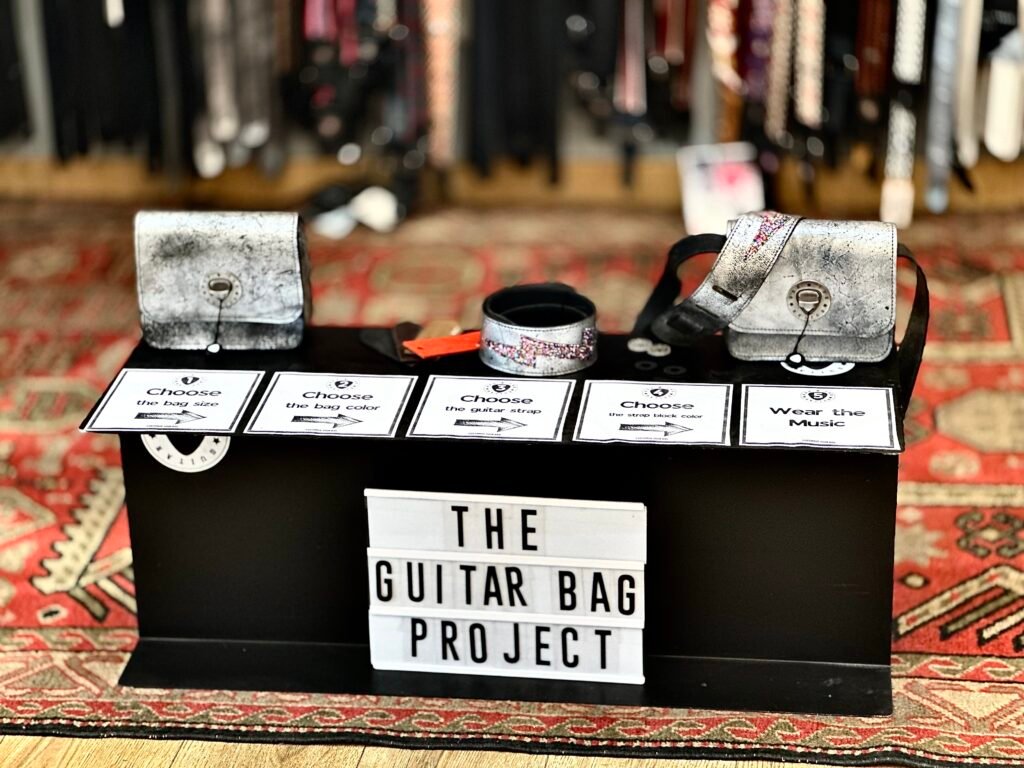
After hearing her story, from being denied the opportunity to learn the guitar at age 13 because it wasn’t ladylike or “elegant” enough, to creating a business that helps other women gain greater independence, and seeing how her versatile bags can move from sporty to chic by simply changing the strap, I realized that I needn’t have felt hesitant about whether her bags would be a good fit. Because “The Guitar Bags” aren’t about becoming someone else, they’re about becoming yourself, amplified.
Describe yourself in 3 words:
A dreamer, a worker, positive.
Describe your bags in 3 words:
Unique. With character and determination. Emotion.
Three musicians, living or dead, you’d invite to dinner?
Mark Knopfler, Prince, Jimi Hendrix.
From Event Planner to “The Guitar Bag Project” Founder
Before you created “The Guitar Bag Project”, who was Maria José Carral?
Before “The Guitar Bag Project”, I was an event organizer for families, specializing in children’s parties. I worked in that field for over 30 years and reached the highest level I could. I organized events for everyone from ordinary families to the Mercedes Benz and the Chrisitian Dior and Louis Vuitton boutiques in Rome, as well as for public figures such as Giorgia Meloni, Laura Pausini, Francesco Totti and Paola Cortellesi.
It was work I truly loved, and I always tried to give the maximum with the minimum. People came to me because I was practical and focused on finding concrete solutions.
Was there a single moment when you thought, “This idea has never been done before”?
Yes. I thought that when the Italian government granted me a patent as a utility model for the attachment button I developed.
I modified the original guitar strap button and adapted it for handbags. At first, someone told me I had no chance of getting the patent. But when I received it, I realized it wasn’t just me believing in the idea. It meant the idea objectively had value.
The Idea Behind “The Guitar Bag”
Why guitar straps? What fascinated you about them?
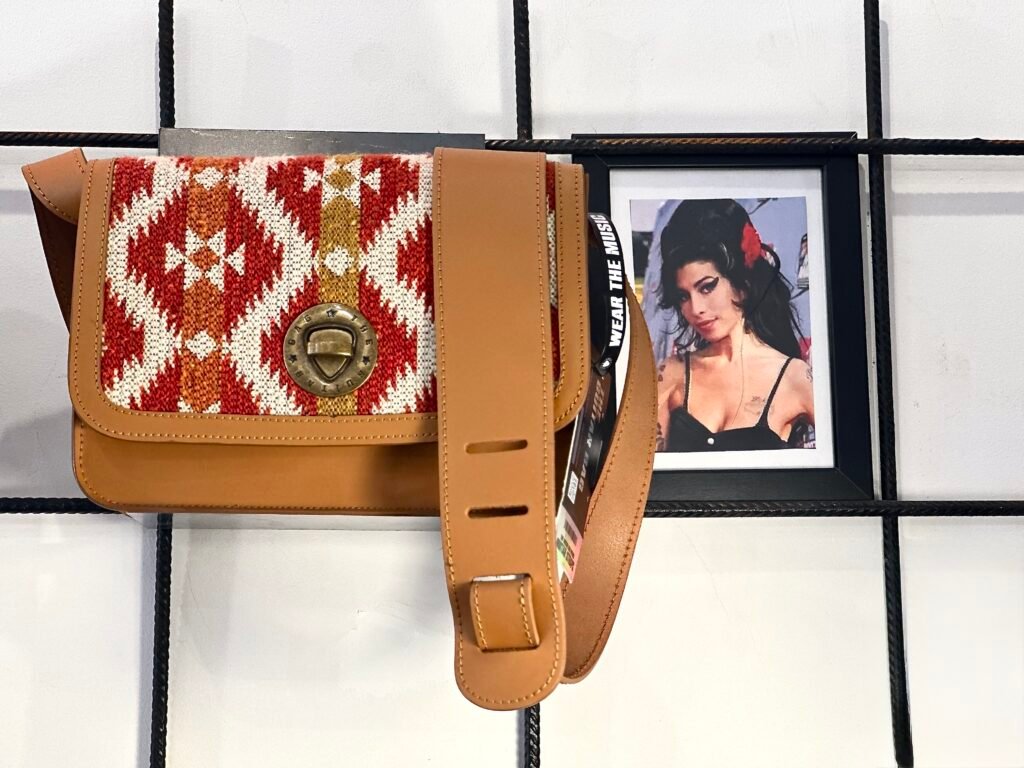
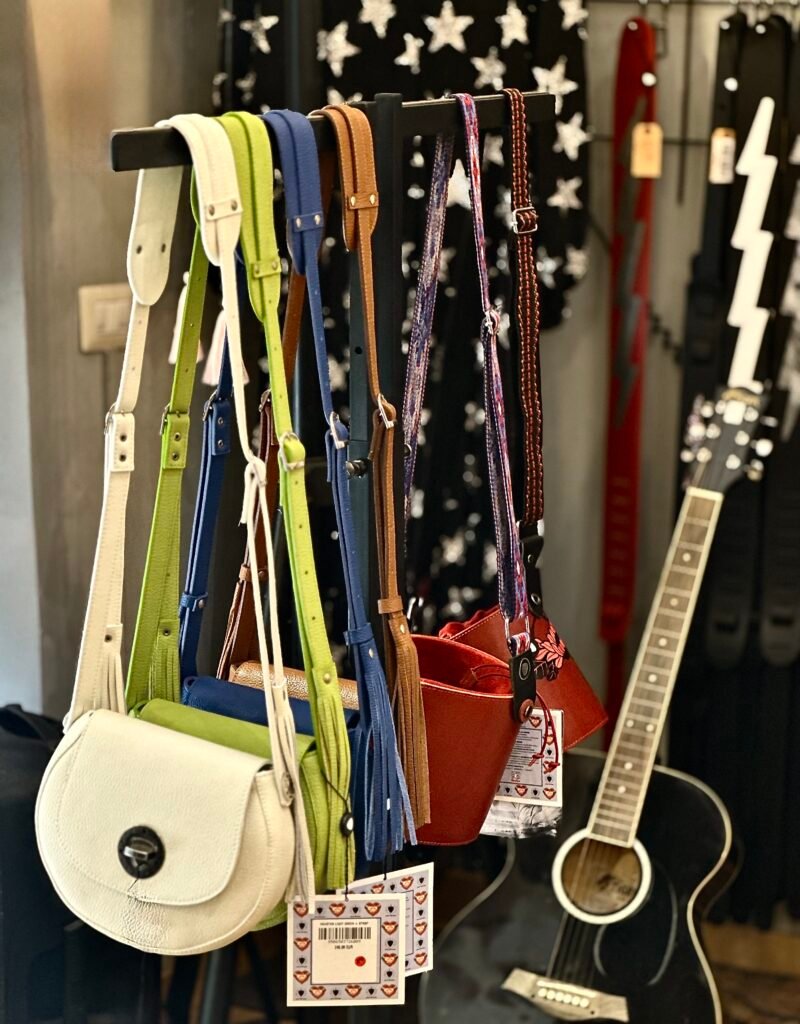
I loved guitar straps, but I couldn’t wear one because I didn’t play the guitar, and guitar playing wasn’t considered elegant. So, I thought, if I can’t wear one on a guitar, I can wear it on my handbag. I began attaching guitar straps to my bags because it made me feel part of that world.
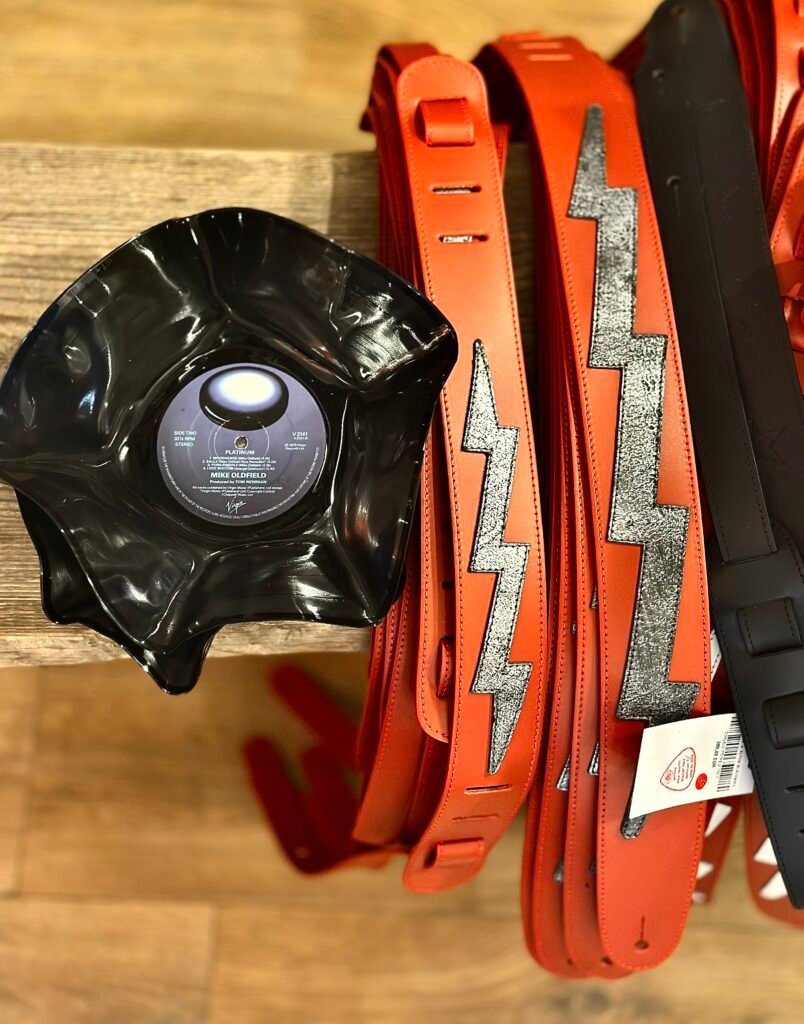
For me, the guitar strap is an icon. It symbolizes rebellion and freedom. Wearing one made me feel connected to those values.
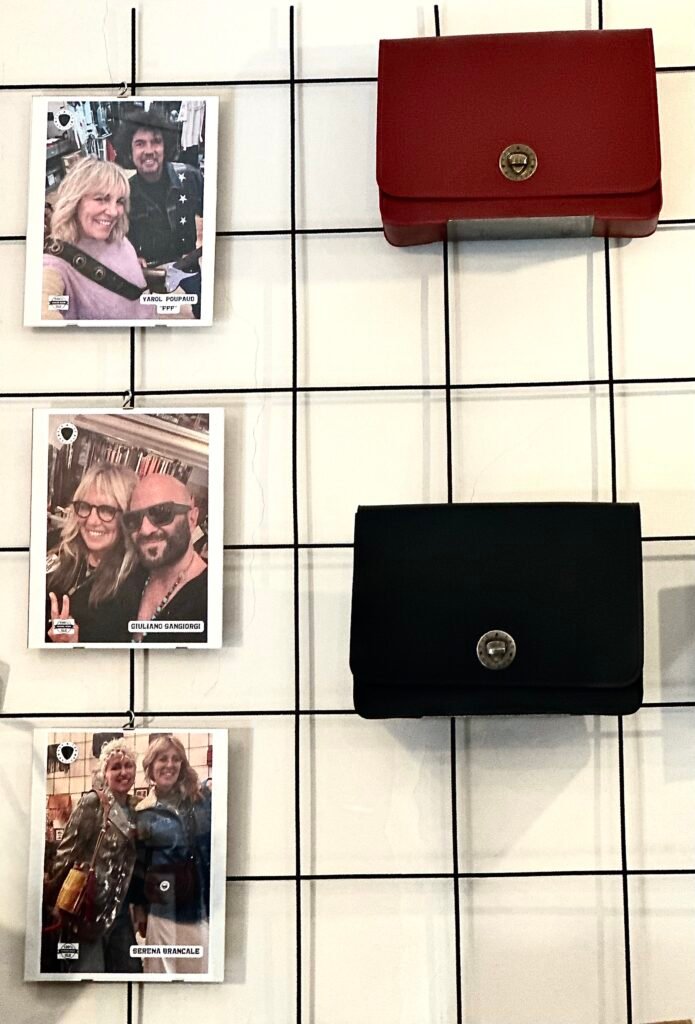
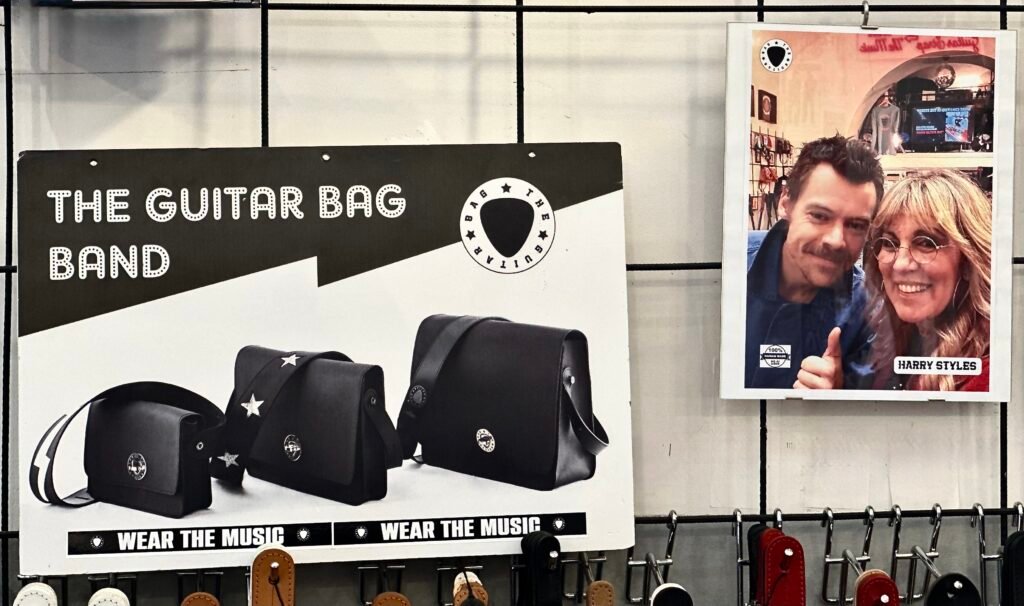
How do you transform something associated with musicians into an elegant accessory for everyday life?
The brand was born from a personal need — an emotional need more than a decorative one.
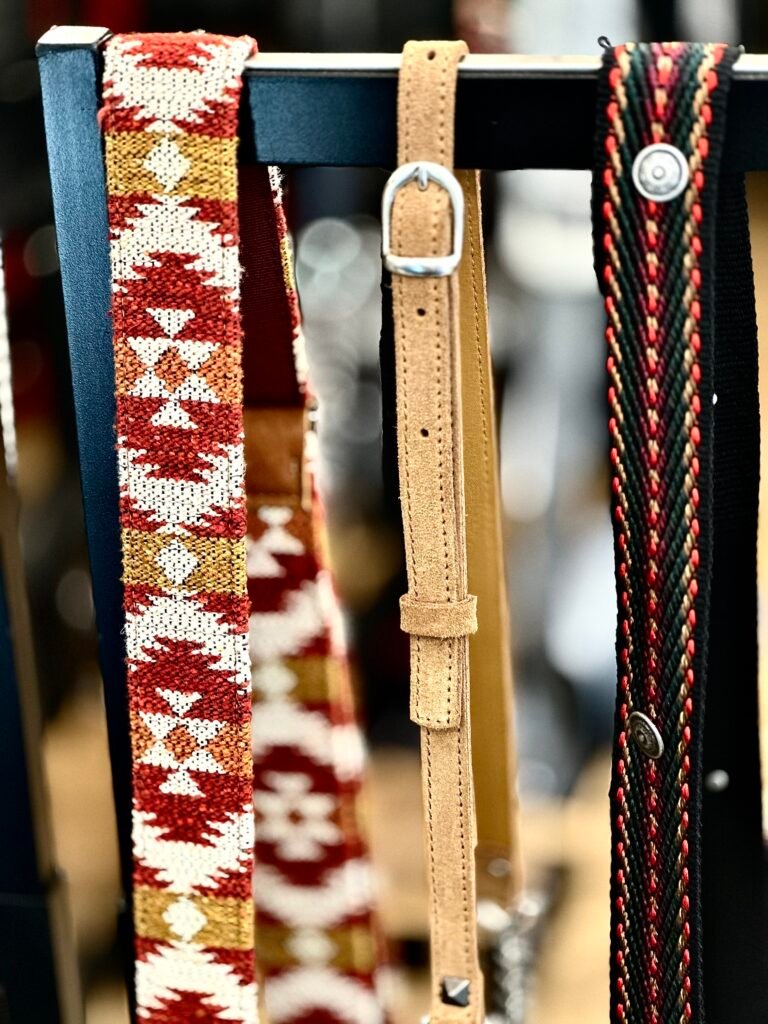
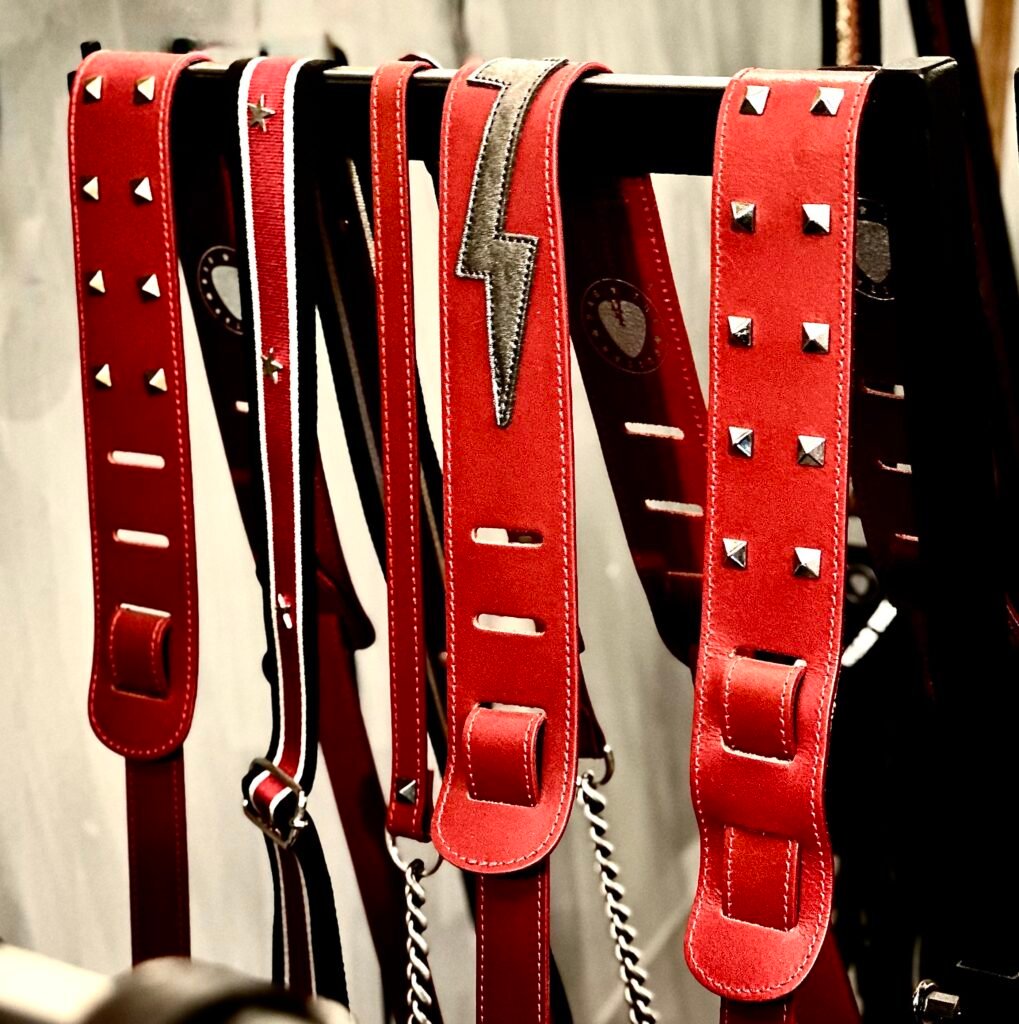
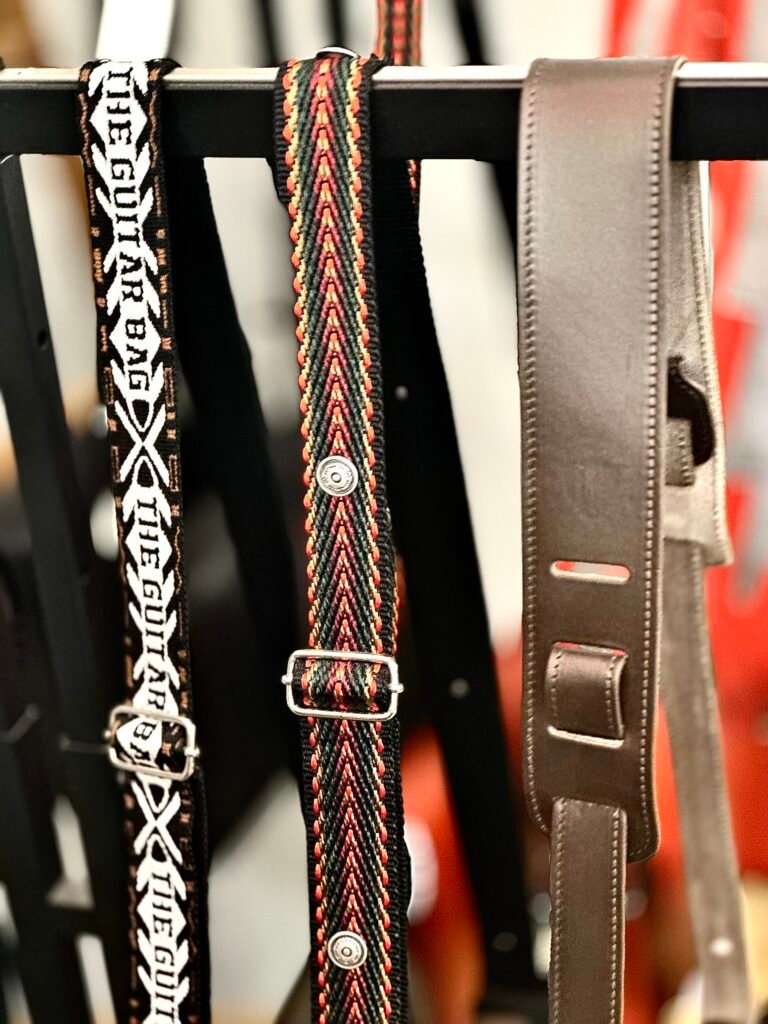
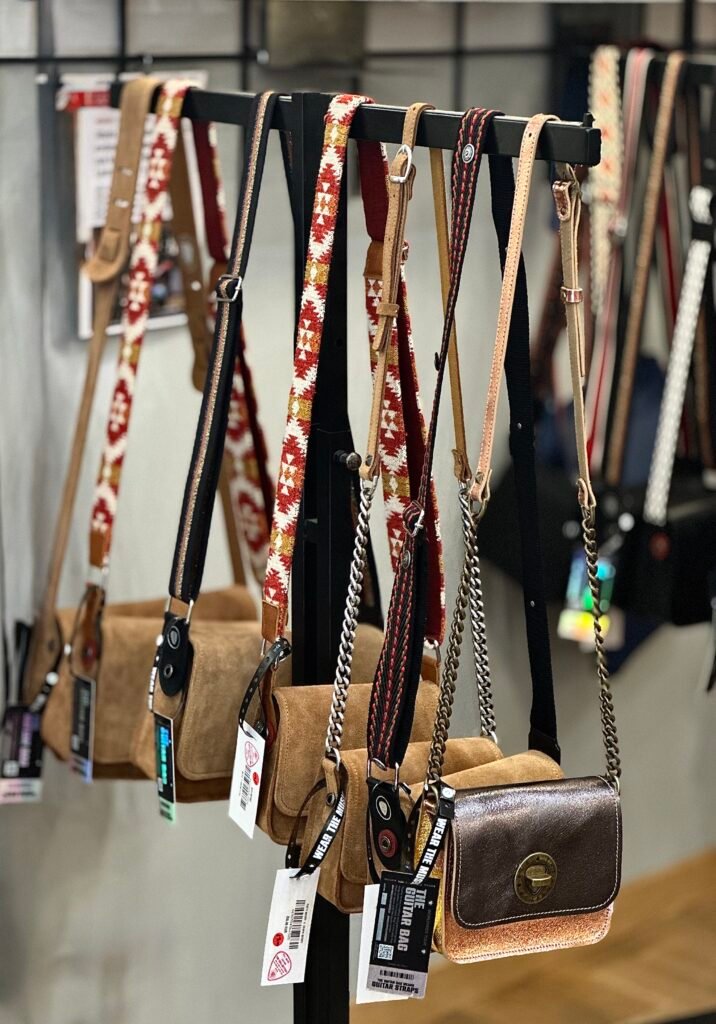
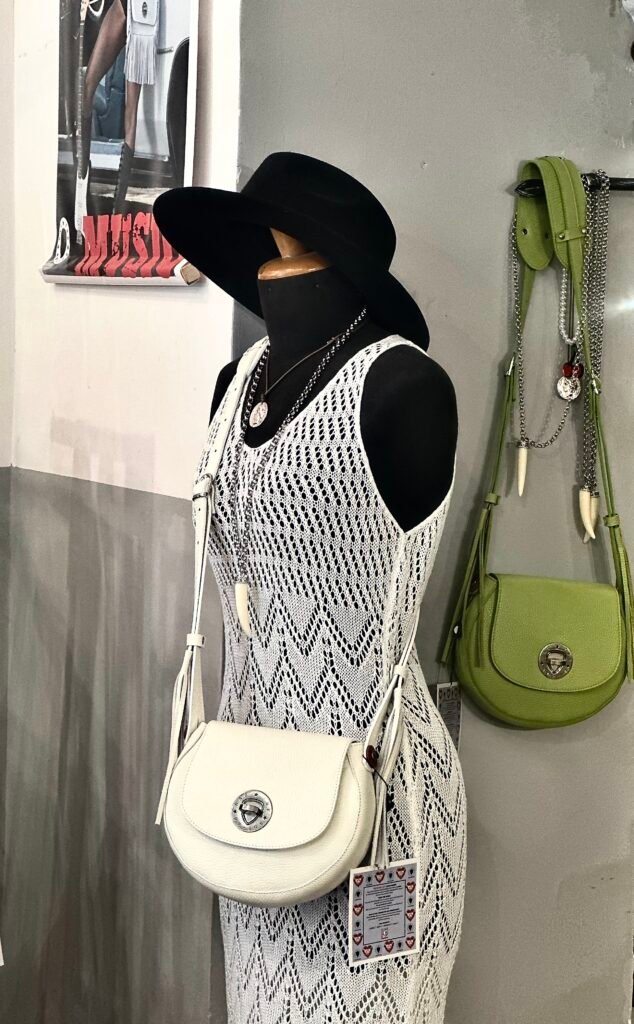
I’m a very changeable person, almost like a chameleon. One day I dress elegantly, another day I’m sporty, another day I’m something completely different. I wanted my bag to change with me. I thought, why should a guitar strap only be rock? It can also be elegant, sporty, country — whatever you want –depending on how it’s decorated.
It’s like a necklace. A necklace can be diamonds, pearls, or something simple. The same object can express completely different personalities, and I wanted guitar straps to do exactly that.
Which came first: the engineering challenge or the aesthetic idea?
Neither. The emotional idea came first. The emotional and aesthetic vision was there before the technical challenge.
Italian Craftsmanship and the Perfect Leather
How many prototypes did you make before you were happy?
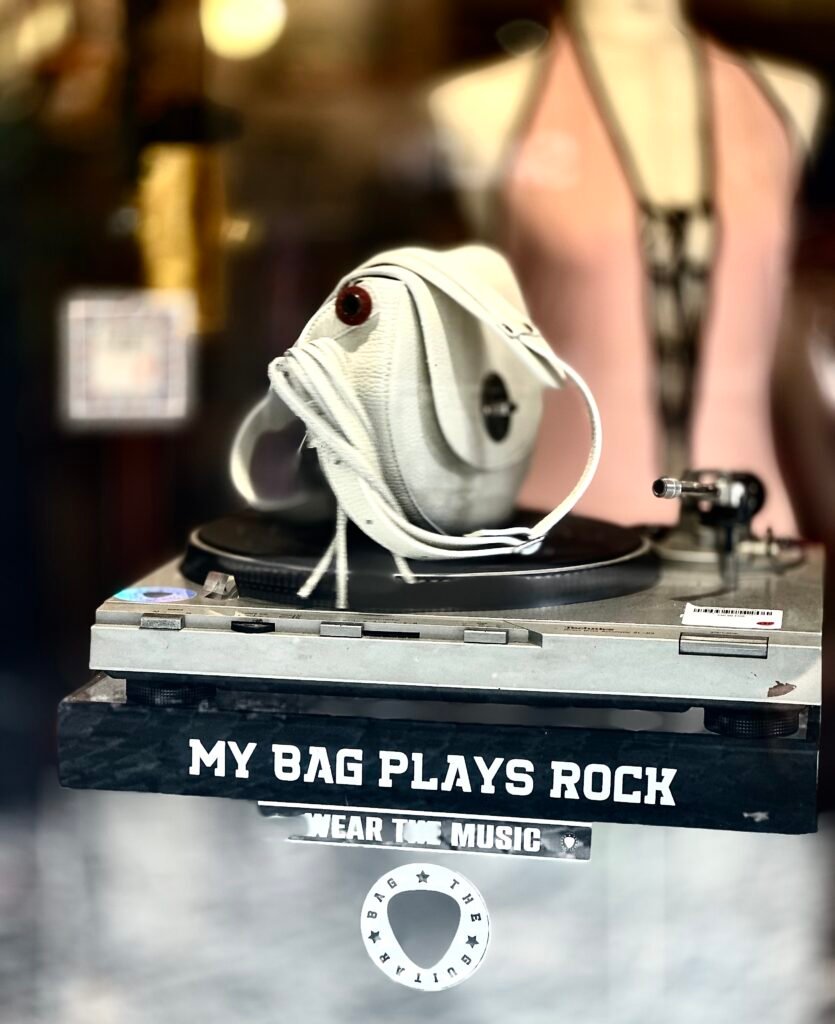
Dozens and dozens…I changed artisans many times because not everyone was capable of turning my idea into something concrete, functional and beautiful.
I wanted the bags to feel authentic. I didn’t want them to look forced or gimmicky. I wanted them to become a true fashion accessory while still carrying a completely different symbolism.
You mentioned dozens of prototypes. At what point did you find the right artisan?
His name is Gianni. He is the most important encounter I’ve had on this journey because, until I met him, I couldn’t find anyone who truly believed in my project. I kept asking my suppliers –my metalwork suppliers, my leather suppliers –who they would recommend. Gianni’s name came up again and again.
At first, he didn’t want to take on a small production. He only worked on large orders. But I wanted to meet him in person and show him the project. I wanted him to fall in love with it the way I had.
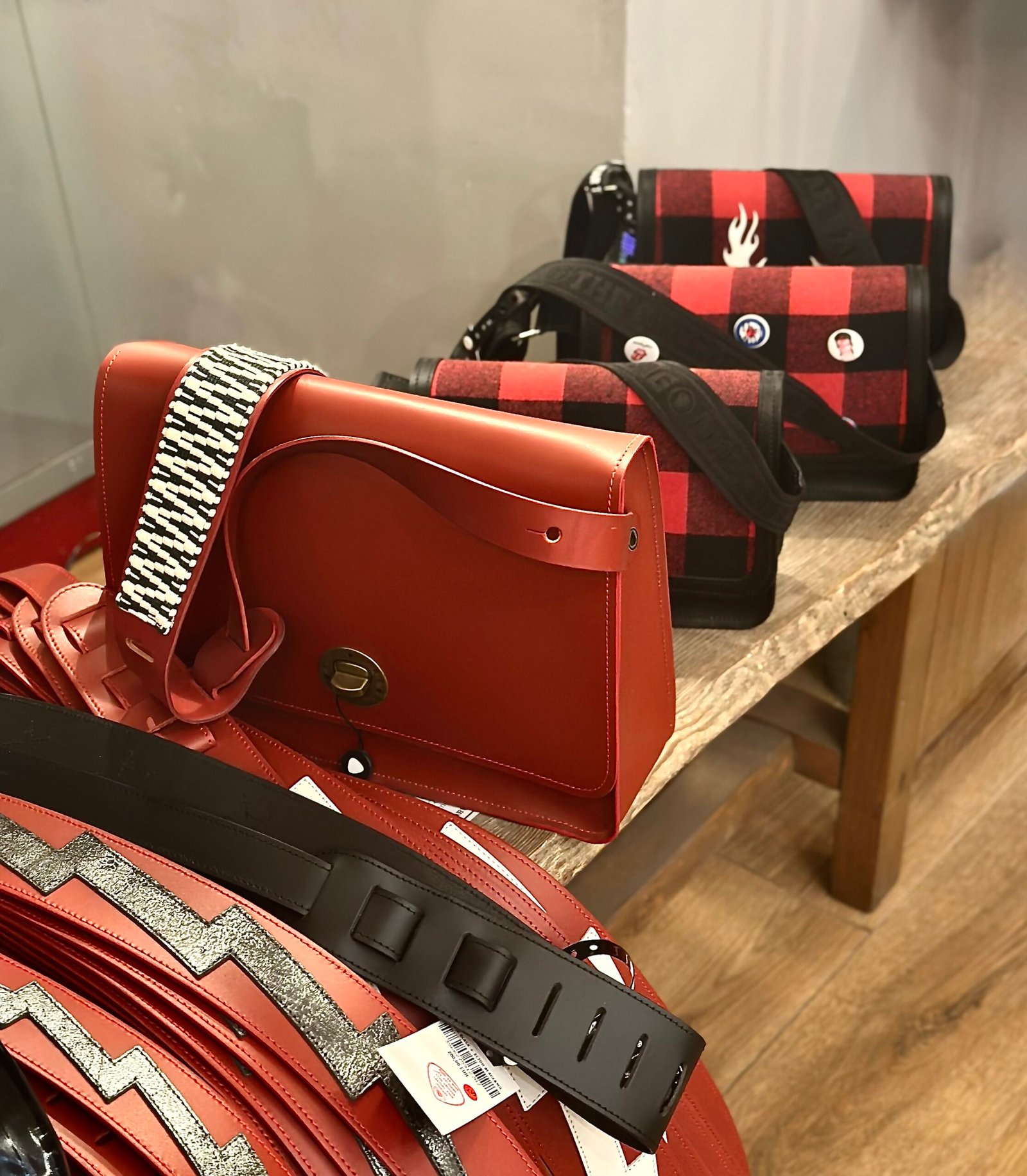
Where are your bags made?
They’re made in a family-run artisan workshop here in the Lazio region. The grandmother is there, the father, the daughter, the son. It’s a true family business, but at the same time it’s incredibly professional. They’ve worked for Versace, Gucci and many of the biggest luxury brands.
The master craftsman is extraordinarily talented technically, but that’s only part of it. Everyone I work with has to be a beautiful person.
If I meet an artisan who is technically excellent, but I don’t like them as a person, I won’t continue working with them. With Gianni and his family, we’ve built a relationship that feels like family. I call him the father of this brand because he helped bring it into the world.
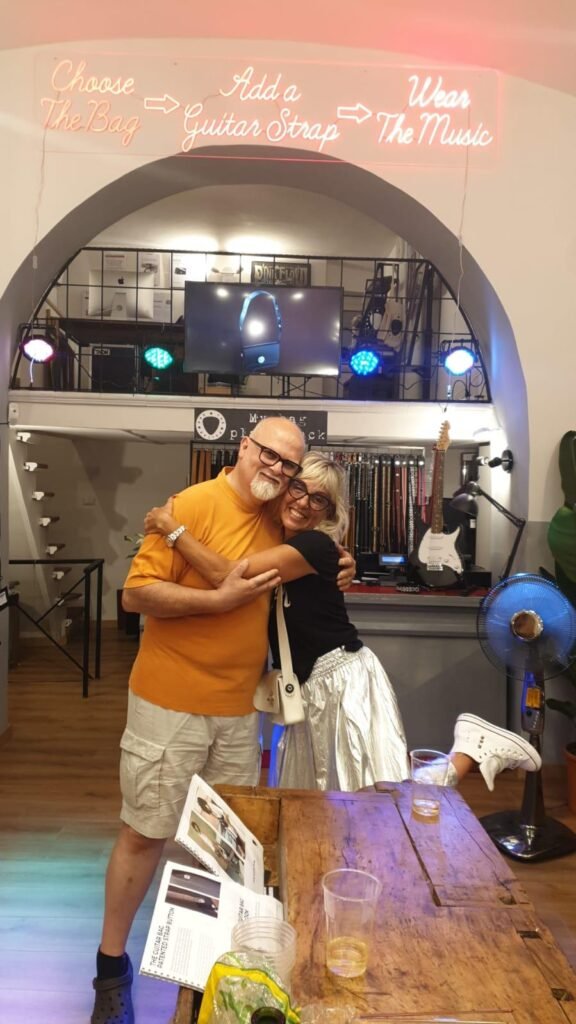
Since the beginning, I’ve never looked for someone cheaper or more convenient. He believed in the project from the start, and now he’s part of it.
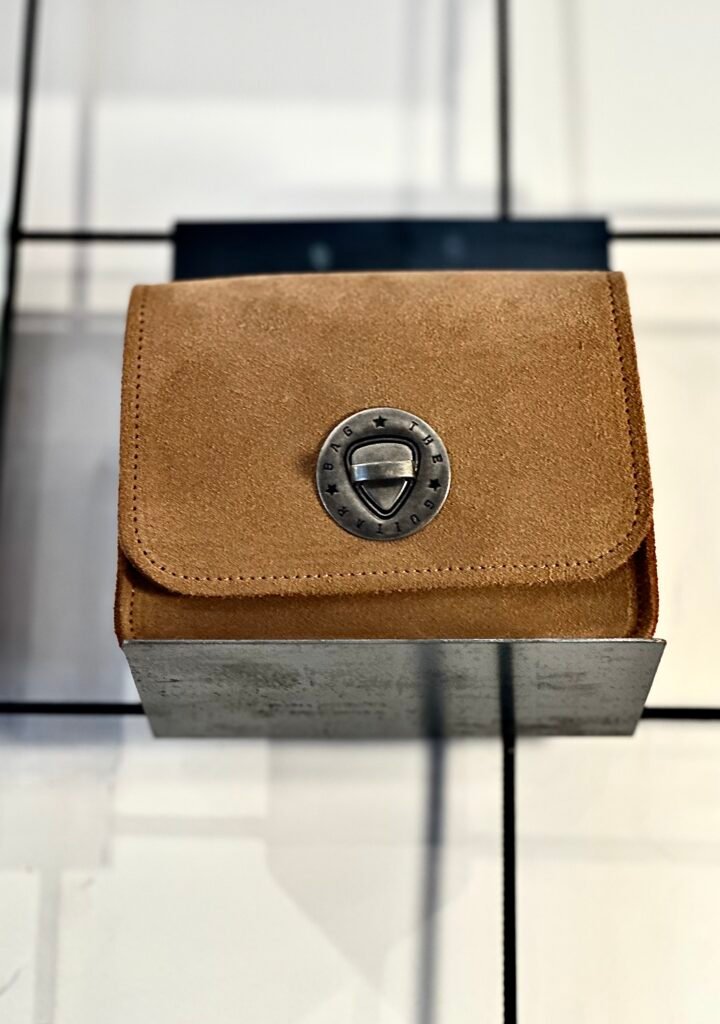
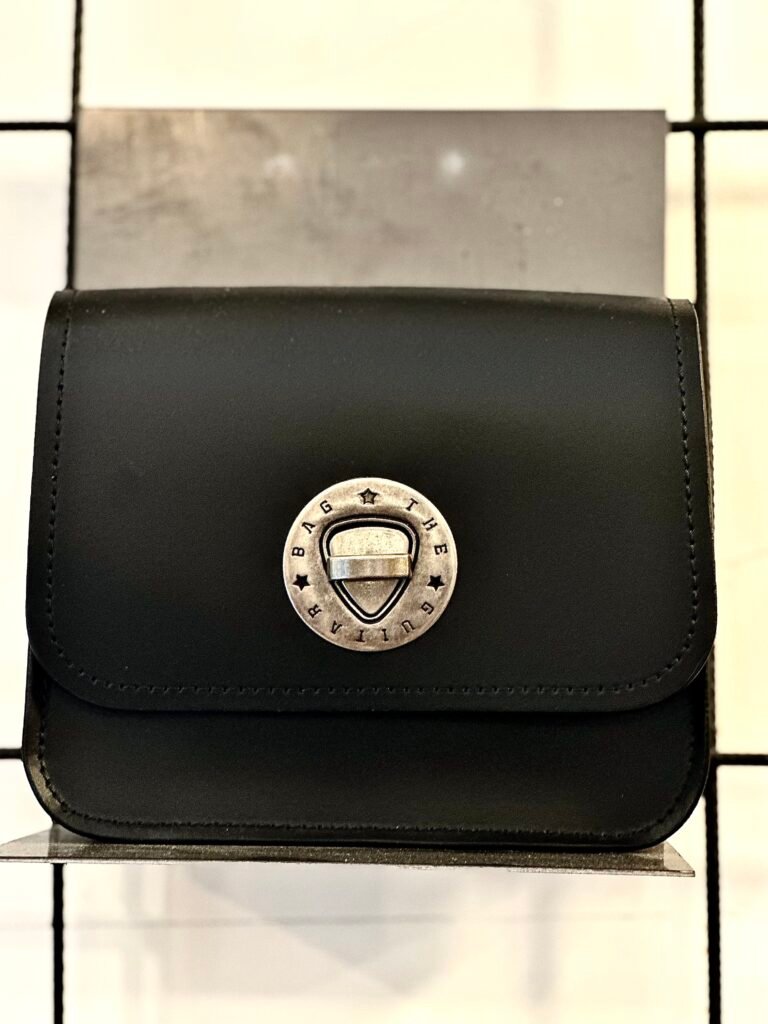
What qualities do you look for in the leather?
The leather has to meet very specific requirements.
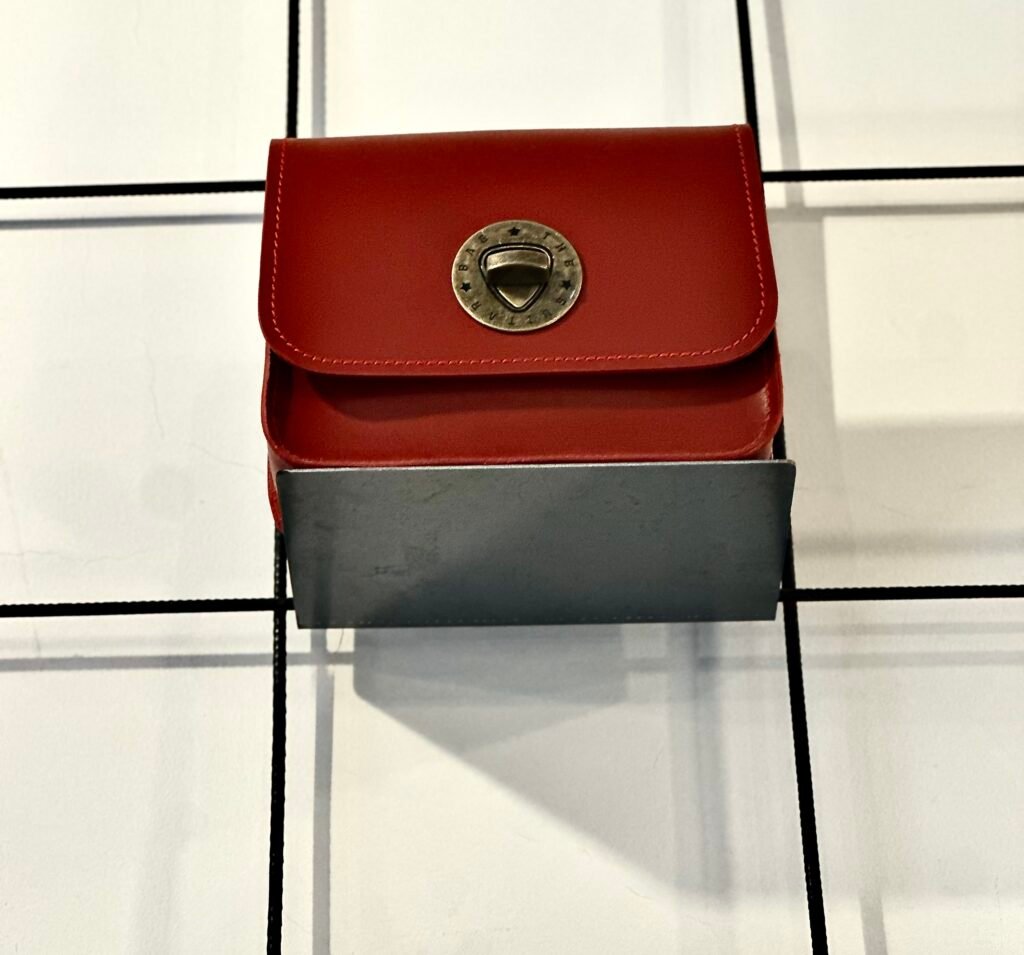
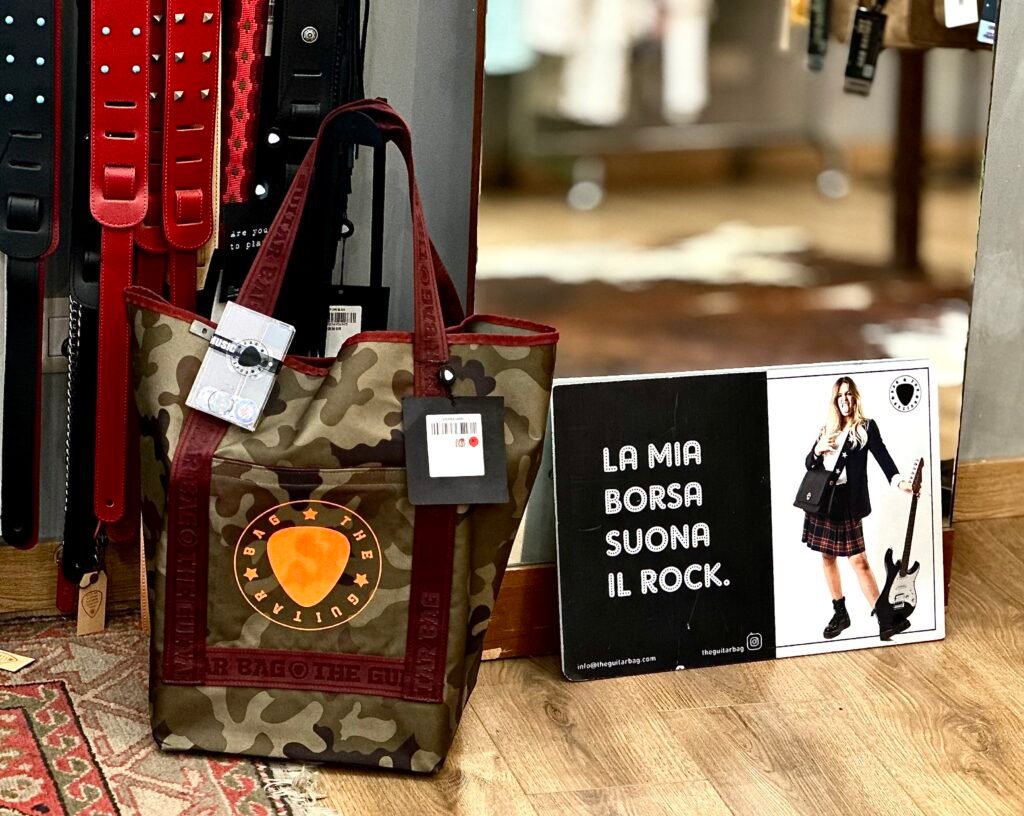
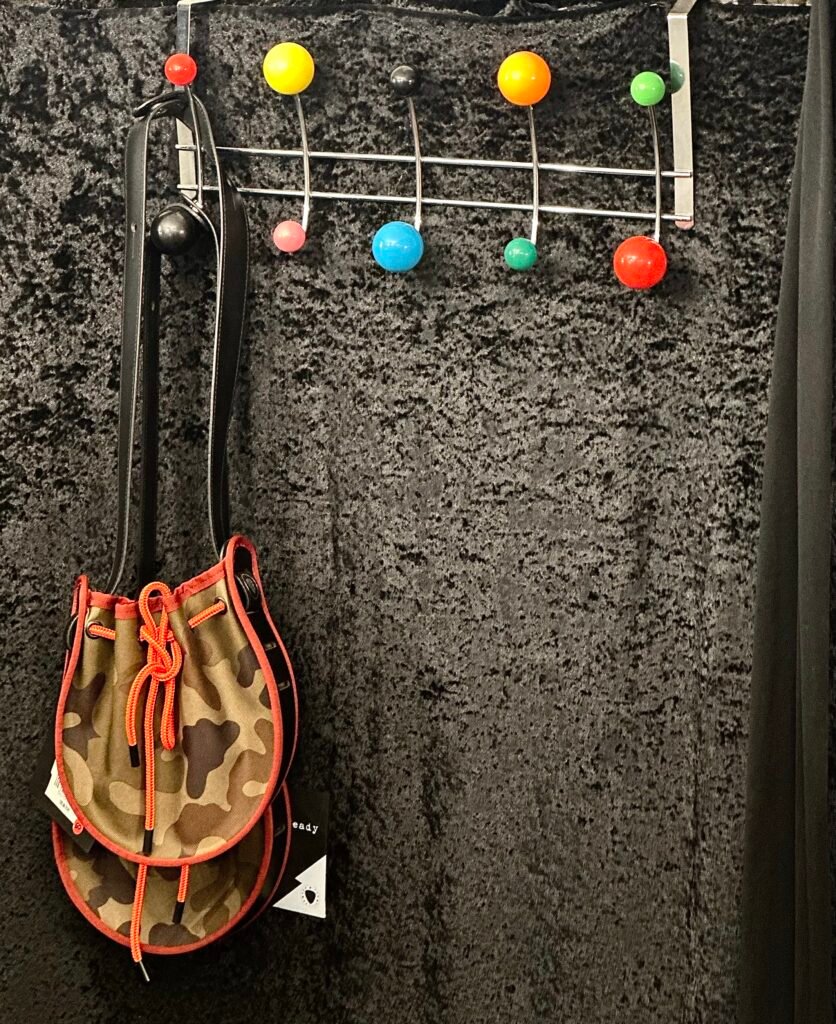
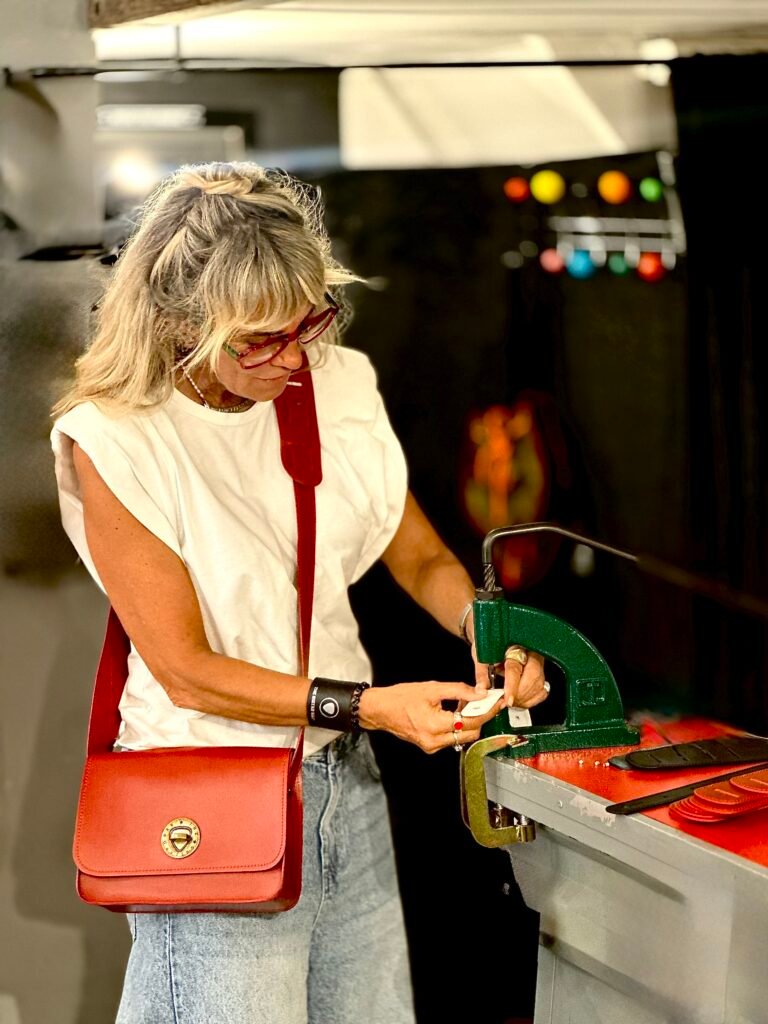
I can’t use just any leather because the attachment button for the guitar strap needs a certain rigidity, similar to the strength of the wood on a guitar. The leather can’t be too soft or too thin. It has to have enough thickness to securely support the attachment system.
In one sense, that limits my creative possibilities, but I actually like that because I’ve always been inspired by military and motorbike bags.
I wanted to create a fashion handbag that still carried that connection with travel, freedom and a slightly rebellious spirit.
Which part of making one of “The Guitar Bags” still has to be done by hand?
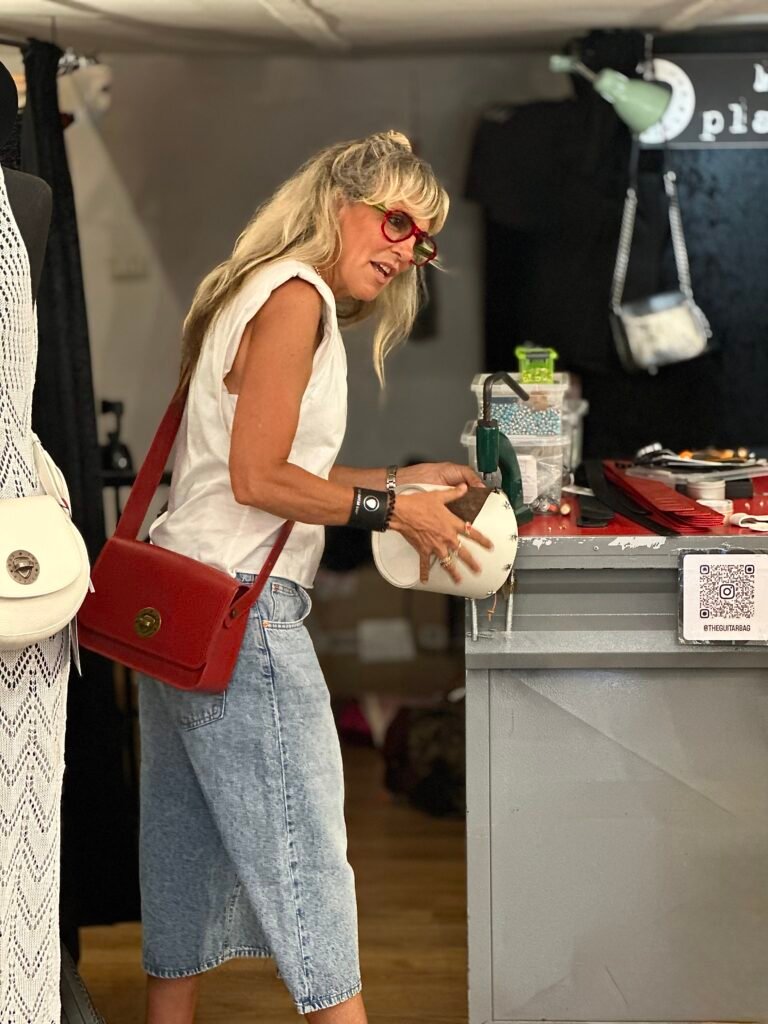
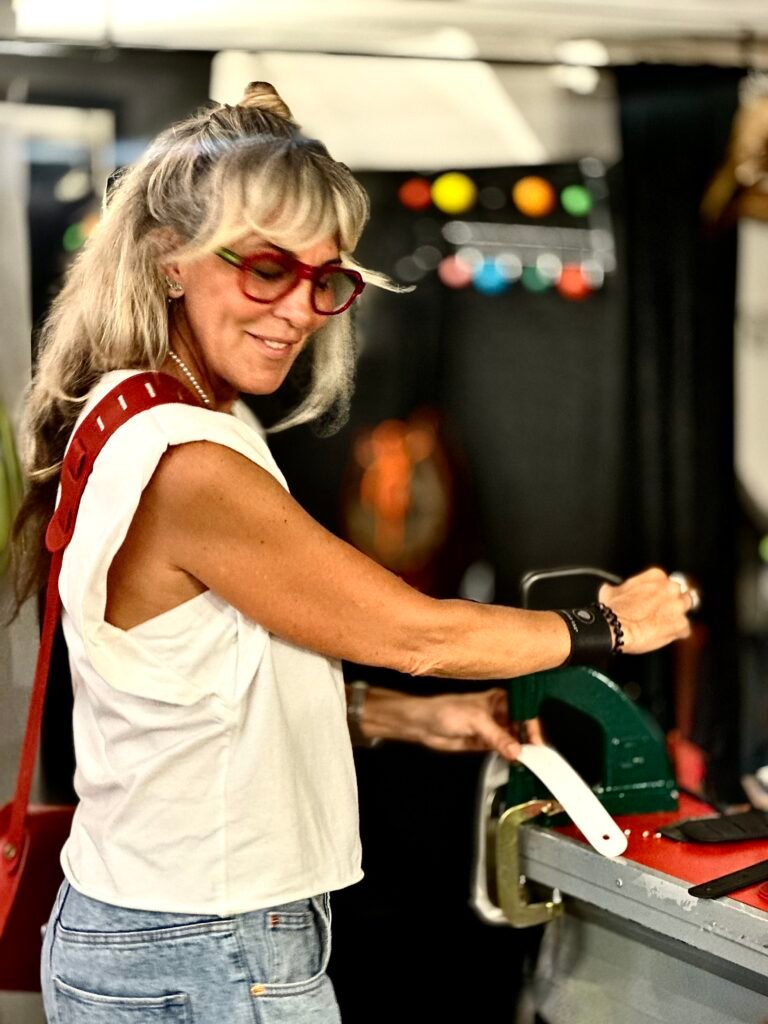
A great deal of it — almost everything. Respect for craftsmanship is fundamental.
Music, Style and the Stories Behind the Bag
I know you’re also involved in a project supporting women who have experienced violence. Can you tell me about it?
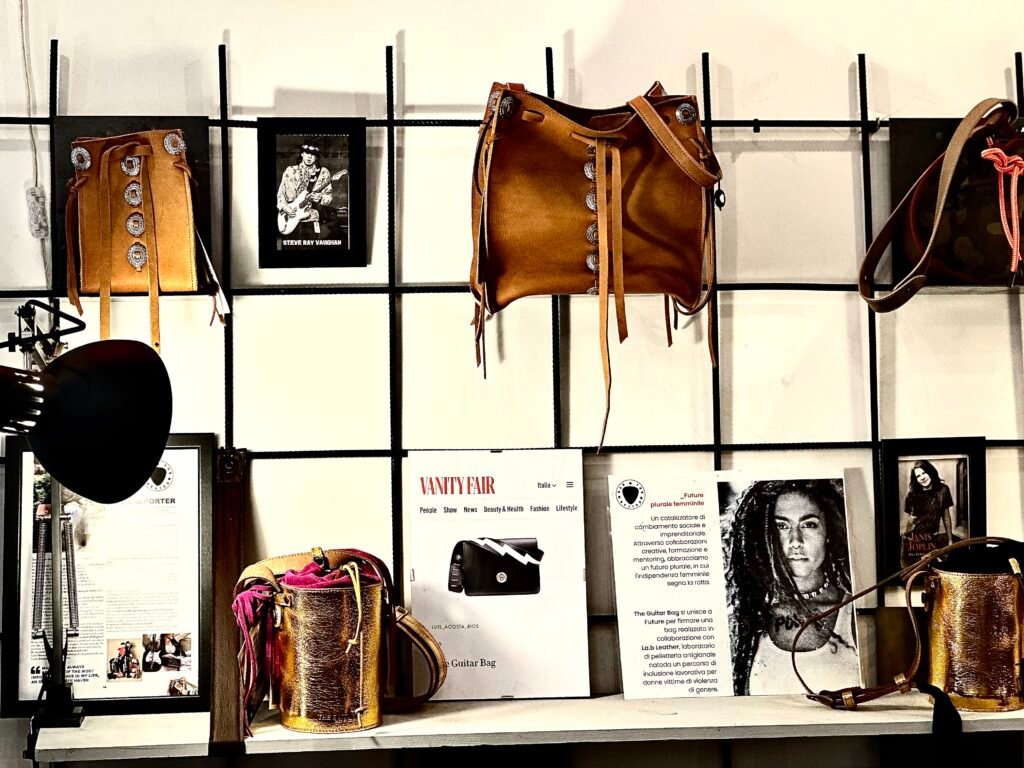
It’s a project called “Senza Paura” (“Without Fear”) and it is realized by La B leather. We work with women who have experienced domestic violence through an employment inclusion program created by the Lazio Region. The goal is to teach these women a profession so they can become financially independent, because independence is the first real step toward freedom. The project is still active today. I’m incredibly proud of it.
Like so many things in my life, it happened almost by chance—but at the same time, not by chance.
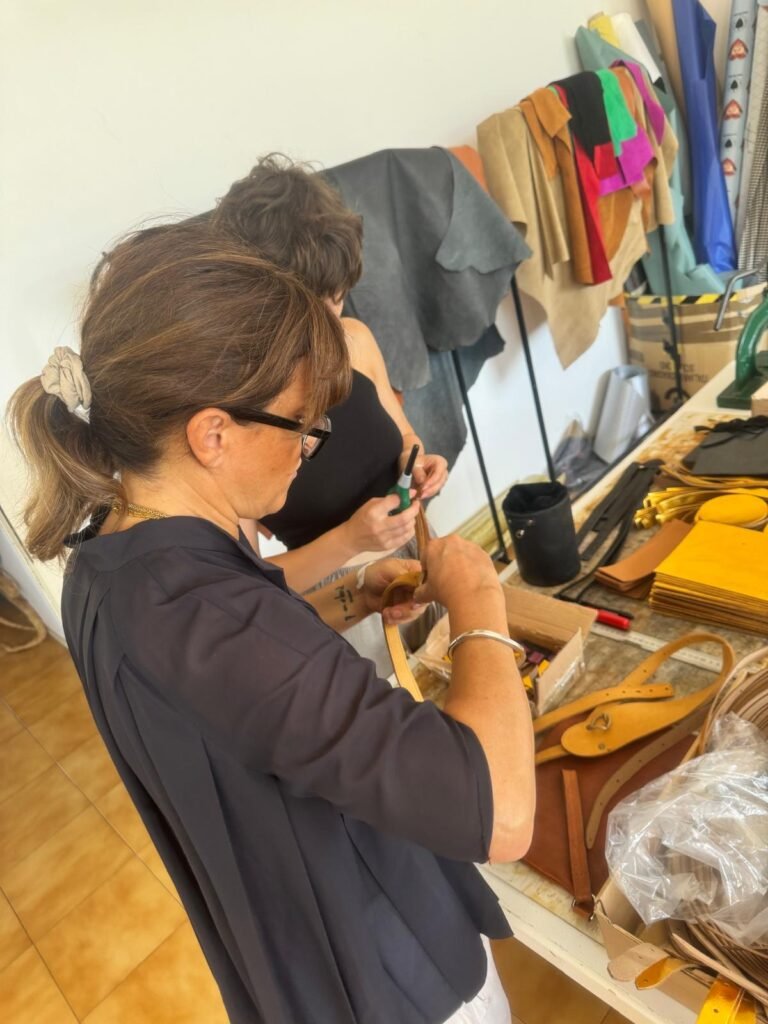
Lab Leather, craftsmanship and training toward financial independence for women survivors of domestic abuse. Righthand photo courtesy Maria José Carral.
Who is the typical “The Guitar Bag” customer, or have they surprised you?
All my customers share one thing in common. It’s not about appearance, social class or status; it’s a way of thinking: they’re people who are mentally free. They don’t want to be put into categories. They’re curious. They’re travelers. They pay attention to detail. They’re looking for something unique with a story behind it.
They don’t buy a product simply because it’s fashionable. They buy it because it speaks to who they are.
Has there been a customer or encounter that changed the direction of your business?
Yes. Gianni. He’s the person who changed everything. Before meeting him, I couldn’t find anyone who could truly bring my vision to life. He was the first person who immediately understood what I wanted to create. Without him, this brand wouldn’t exist as it does today.
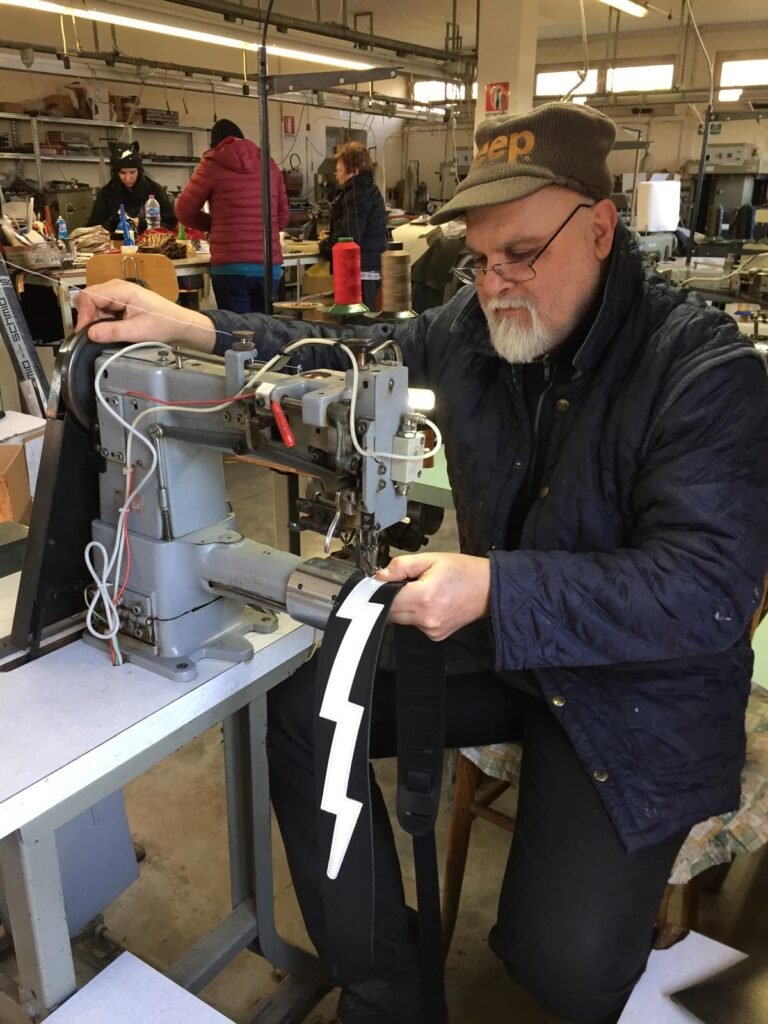
Your bags are incredibly versatile. Simply changing the strap transforms their personality. Do accessories have the power to change the way we see ourselves?
Absolutely. Especially with handcrafted products like these, the most important thing isn’t the product itself — it’s the person wearing it.
I see my brand as an amplifier of personality. My bag amplifies your story. It amplifies who you are. The people who choose my bags don’t want their accessories to say how much money they have. They want them to say something about who they are. For me, that’s much more important.
Is there one “The Guitar Bag” model that represents you more than any other?
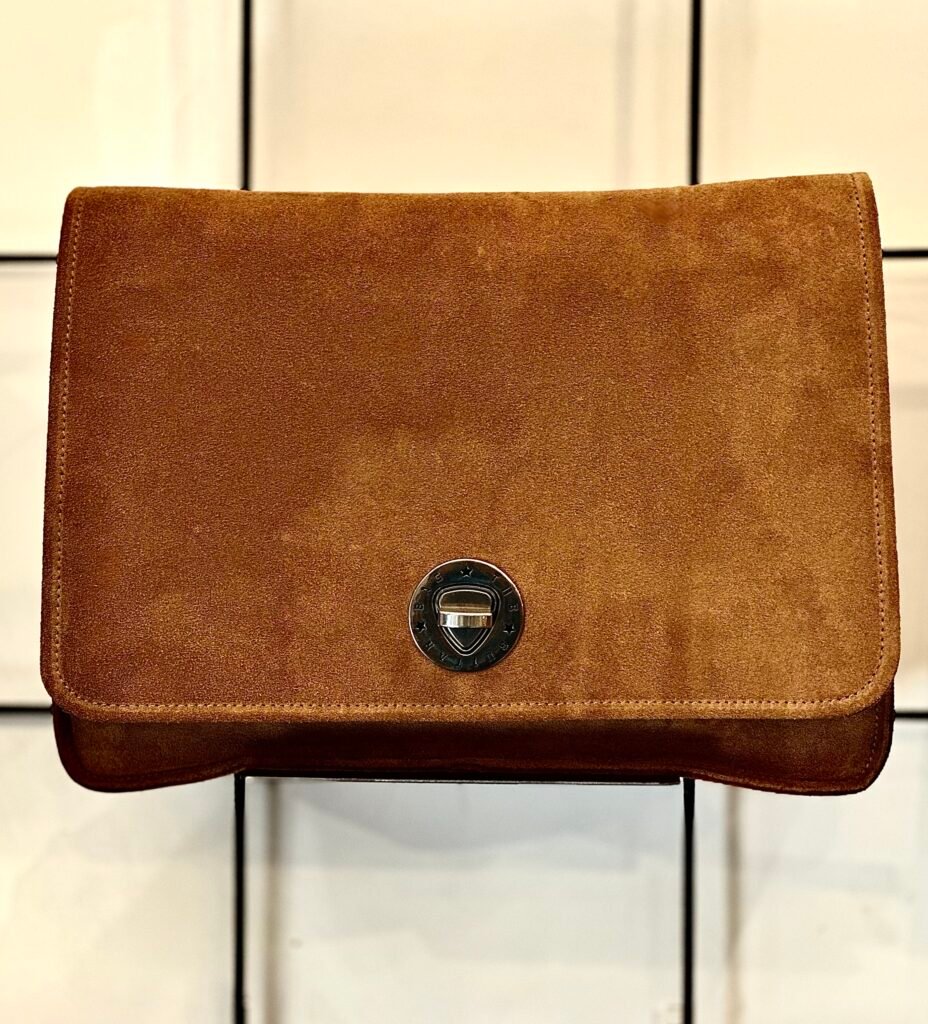
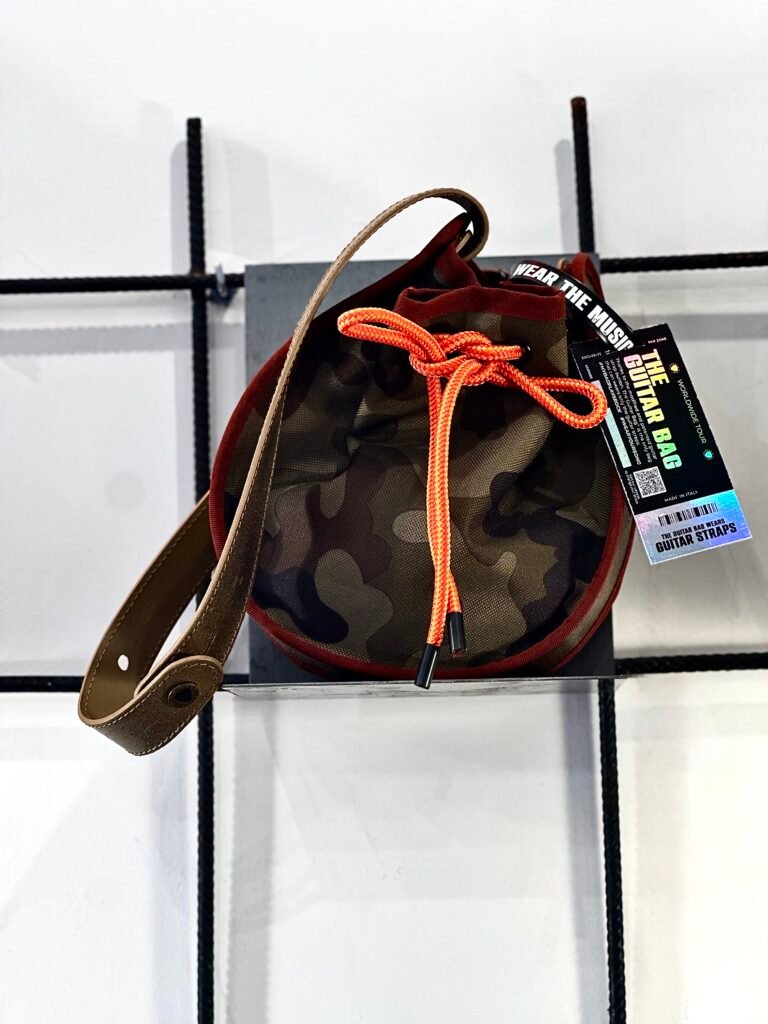
That’s like asking a mother which child she loves most! But right now, I would say the Stevie Ray collection. It’s the newest one, with the fringe and the brown leather. It’s very special because it combines the spirit of the brand with a technical challenge that I thought was impossible.
For three years I searched trade fairs looking for the right leather — something soft enough to create the bag I imagined, but also thick and strong enough to support my patented attachment system.
When I finally found it, it was like Michelangelo looking at a block of marble and already seeing the sculpture inside. The moment I saw that leather, I saw the bag. That collection was a real challenge, and now it’s one of the products I’m proudest of.
One of the Fendi family even bought one. A week later she came back because a friend had fallen in love with it and wanted one too.
That was an enormous satisfaction.
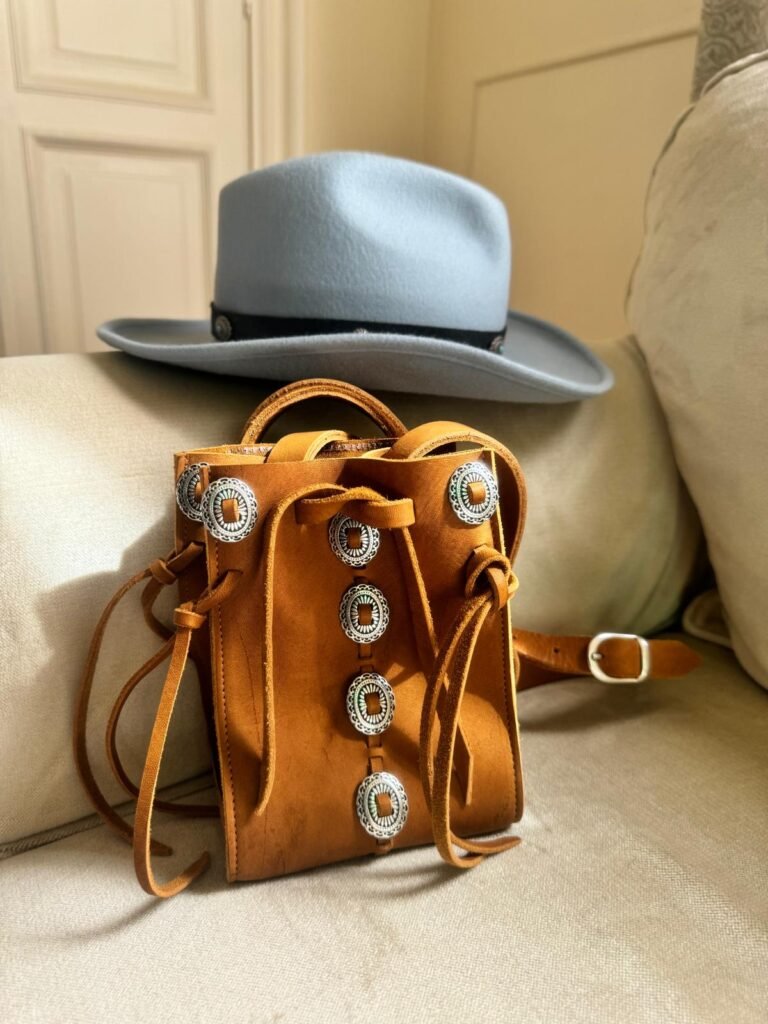
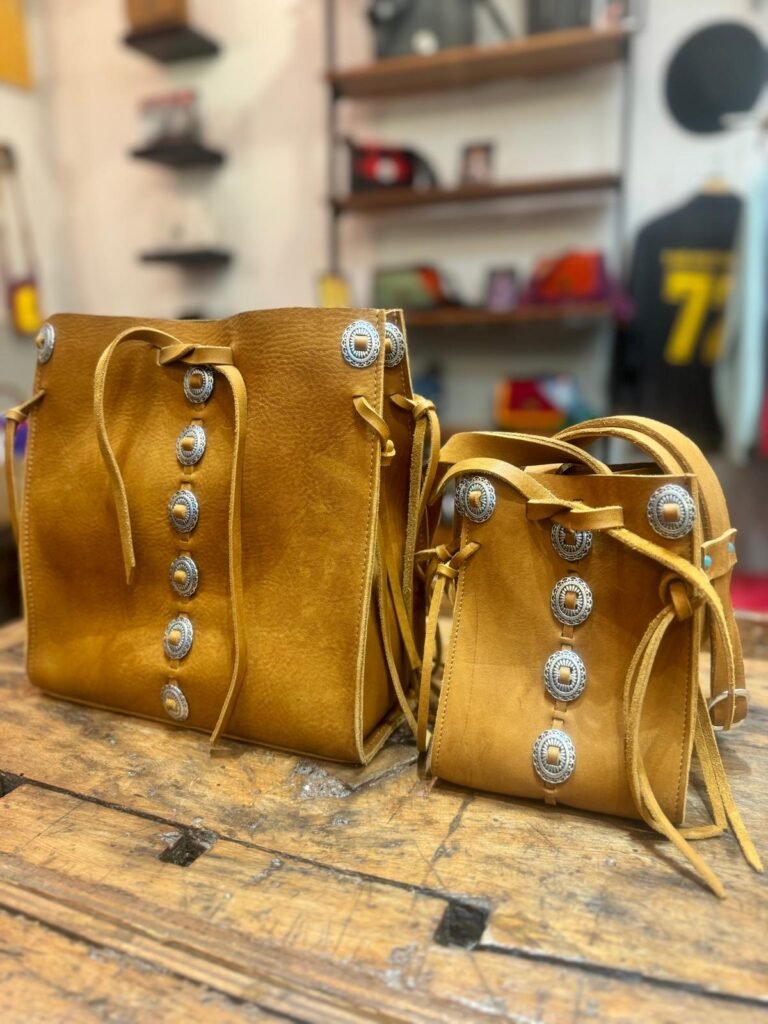
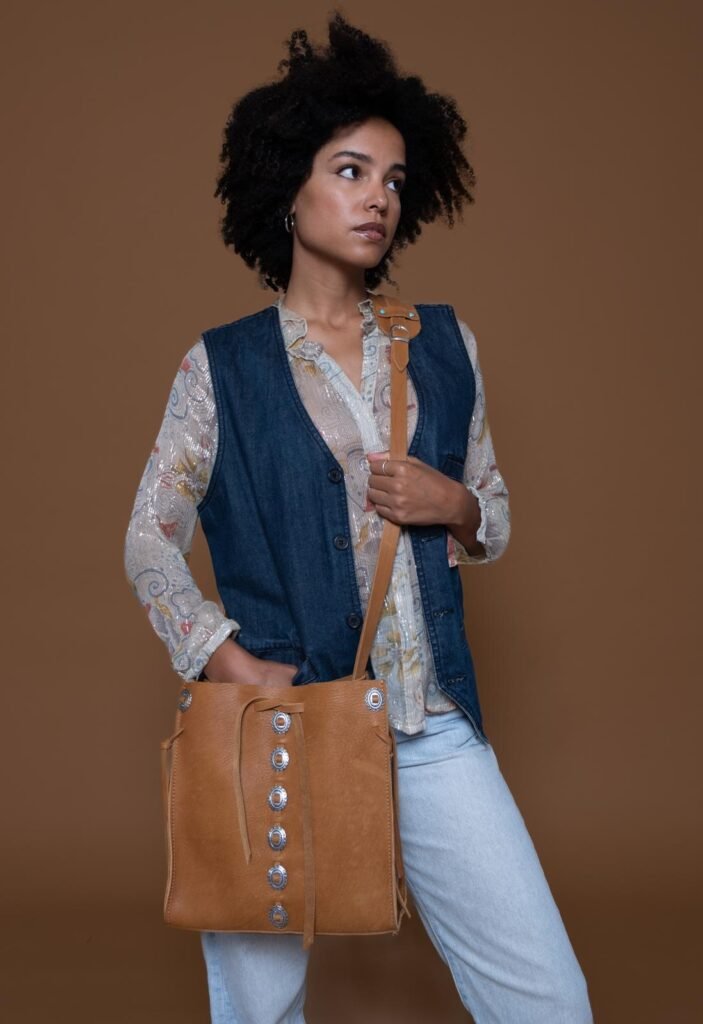
Many of your bags are named for musicians. Why?
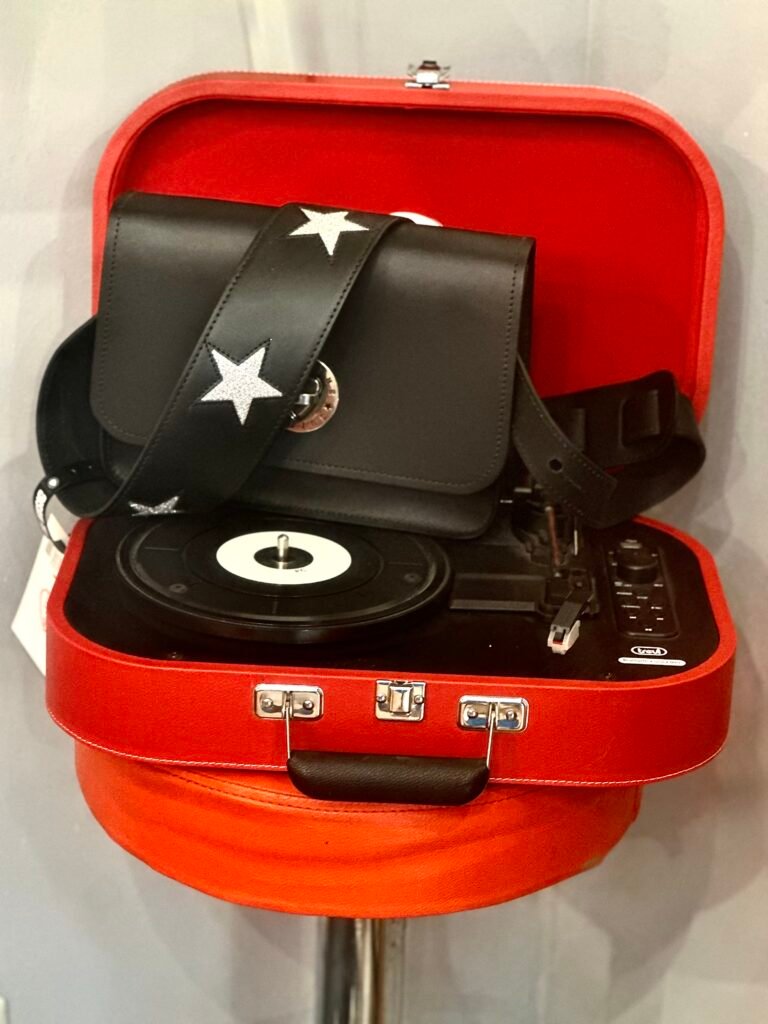
Music has the power to unlock memories and emotions. It creates connections between people and moments in their lives. That’s why naming my bags after musicians has never been random. Every bag tells a story, and music is often the key that opens it.
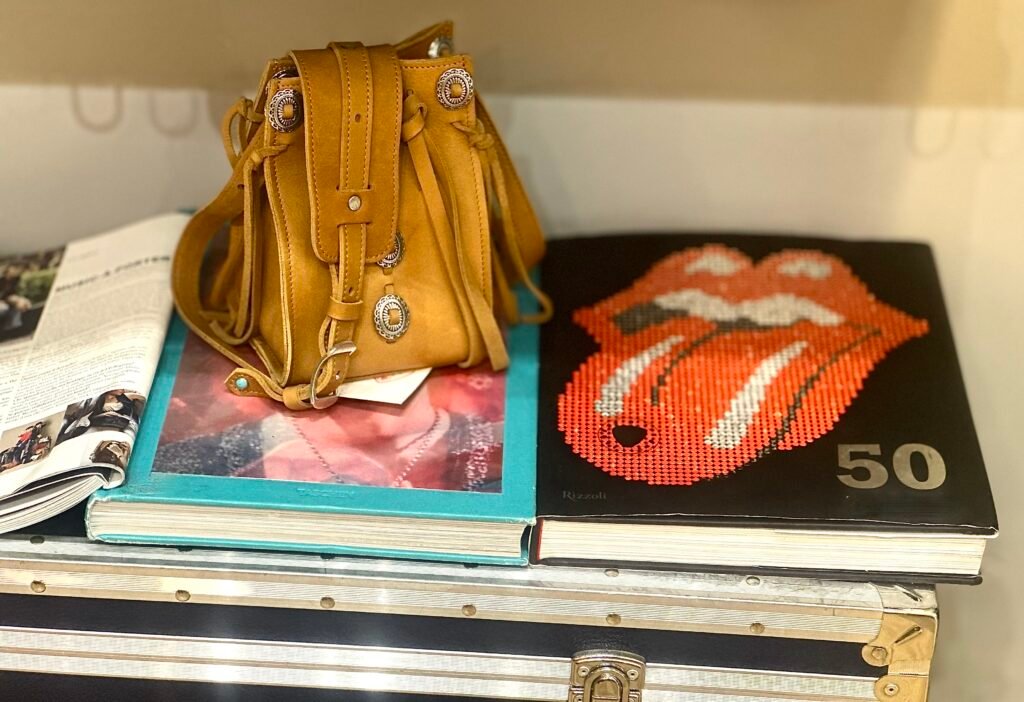
Which bag has been the hardest to part with?
The Prince bag.
There’s a story I’ll never forget. One day an American writer came into the shop. Her husband had simply told her, “When you’re in Rome, go to that shop.” He hadn’t explained why.
When she walked in, Prince’s music was playing. She saw the Prince bag and immediately burst into tears. Her sister had died, and Prince had been their favorite artist. They had gone to his concerts together, and suddenly all those memories came flooding back. I hugged her.
Today we’re still in touch. She later wrote a wonderful book called Dear Dealer, inspired by her sister.
Moments like that have happened many times. People see the name of a bag or hear the music playing, and suddenly a door opens inside them. Music creates emotional connections.
That same customer once told me that whenever she carries that bag, she feels close to her sister again because it brings back those memories. That’s why music was never a random choice for this brand.
Your boutique has a remarkable atmosphere. Customers often describe it as magical.
People always tell me the shop feels magical. But I think it’s because of the exchanges that have taken place here and because of the connection to music The shop isn’t magical because of the physical walls; it’s magical because of the relationships that are created inside it.
Maria José Carral on Entrepeneurship and the Future of The Guitar Bag
What has becoming an entrepreneur taught you?
It’s taught me that I was wonderfully naïve.
When you don’t know what something really involves, you jump into it without fear. It’s a bit like becoming a parent: you can’t truly understand it until you’re living it.
I started this brand without stopping to think about how difficult it would be. I couldn’t imagine everything that comes with it. Passion and hard work aren’t enough. You have to deal with numbers, marketing, social media, sales and so many things that don’t come naturally to me.
In the beginning, creating the product was everything. Now, if you want your brand to grow, creating becomes only ten percent of your work. The other ninety percent is running the business. Sometimes that makes you feel vulnerable because you know exactly what you want to do, but you can’t do it all yourself. It’s like having a child you want to give everything to but not having the means to do it. That hurts.
So many people seem to want to help you in this business venture. Everyone from the artisan bag makers who normally only work with large scale companies to the Angel Investors who helped you launch. Why do you think that is?
Because they like the project, they like the product. But I also think they like me. Not because of who I am professionally, but because I hope people feel my energy. I’m someone who genuinely believes in people.
Somehow, whenever I need help, the right people arrive at exactly the right moment. Of course I go looking for opportunities, but life has also brought extraordinary people into my path. I’m very grateful for that.
Do you think your bags reflect who people already are, or do they help people become a bolder version of themselves?
A bolder version. I think they give people permission to express a side of themselves that was already there.
The bag becomes another way of telling their story.
If you weren’t doing this, what would you be doing?
I love all things creative. Carpentry is something I absolutely adore.
If you could go back and meet your 13-year-old self, what would you tell her?
First, I think I’d want to understand who she really was. My identity was built little by little, through everything that happened to me.
Then I’d take her by the hand and guide her. I would tell her to trust a little less. I’ve always believed in people because I’m a good person myself, and sometimes I’ve been too trusting. I’m very instinctive. When I believe in something, I throw myself into it completely.
I would still tell her to follow her dreams — but to stop and reflect a little more before jumping. Not to change who she is, but to become more aware.
Sometimes I wish someone had helped me slow down. I live everything intensely: love, disappointment, joy, pain. People often tell me, “Just let it go.” But I can’t, that’s not who I am.
I’m learning, though. I’m learning to build healthier boundaries without losing my sensitivity. I don’t believe you have to suffer in order to grow –there are lessons we can learn without paying such a high emotional price.
If you had the ear of someone like Prime Minister Giorgia Meloni, what would you ask the government to do to help entrepreneurs like you?
I think the government genuinely tries to help. The difficulty is that there have to be rules because not everyone acts in good faith. The problem is that those same rules often make life harder for honest people.
Personally, though, the people who have really helped me haven’t been institutions. They’ve been people. People who believed in me.People who believed in the brand. People who invested in the project because they believed in my determination. That was the help that truly changed my journey.
Now I’m preparing for the next stage: taking the brand internationally. I’ve invested everything I had in creating strong foundations. But building something isn’t enough. At some point, you must launch it into the world. Now I must find new people who believe in the project and want to help take it to an international level.
Anyone who joins this journey knows one thing about me. I’m incredibly determined. People don’t invest only in my bags, they invest in me.
Plan Your Visit
www.theguitarbag.com
via del Pellegrino 169
(06)86873254
Tuesday – Saturday 10:30 am – 7:30 p.m.